Curtis Hale
02

Tronic Play

01

Business Context

The loyalty program is broken. Tronic is the fix.

Traditional brand loyalty programs share a fundamental design flaw: they reward transactions, not relationships. A punch card gives you a free coffee after ten purchases. An airline miles program gives you points you'll never redeem. Neither creates genuine emotional connection between a fan and a brand — and neither generates the kind of behavioral data that tells a brand anything meaningful about who its customers actually are.

Tronic Play is an emerging technology platform that layers gamified experiences into everyday brand interactions and live events — turning passive consumer moments into active, rewarding, measurable engagement. Every visit becomes a personal progression. Every interaction generates data. Every reward creates a reason to return.

Stage:

Early-stage startup — greenfield product, no legacy constraints, no existing user base, no predefined patterns. Everything built from first principles.

Market position:

Competing in the loyalty and fan engagement space against incumbents with established infrastructure but aging interaction models. Tronic's differentiation is emotional architecture: progression, achievement, and real value rather than transactional point accumulation.

Platform complexity:

A consumer-facing mobile application (Tronic Play) paired with a brand-facing management platform (Tronic Studio) — two distinct products, two distinct user types, one coherent system. This case study covers Tronic Play; Tronic Studio is documented separately.
Tronic Play
02

The Alignment Problem

A platform that had to work for every brand, every industry, every user.

The central design challenge of Tronic Play wasn't building a loyalty app. It was building a loyalty platform — an infrastructure flexible enough to power a major sports franchise fan experience and a small local brand activation and a retail rewards program, all while feeling like each brand built it themselves.

That requirement — infinite brand flexibility within a coherent product system — created alignment problems at every level:

No fixed user to design for — Tronic's end users would be fans of dozens of different brands across completely different industries, contexts, and demographics. There was no single persona to optimize for.

Brand identity vs. platform consistency — each brand needed a channel that felt authentically theirs. But the underlying UX patterns, progression mechanics, and interaction models had to be consistent enough to onboard any new user instantly, regardless of which brand they entered through.

Two products that had to feel like one system — the consumer experience in Tronic Play and the brand management experience in Tronic Studio needed to be architecturally coherent even though they served completely different users with completely different needs

No team, no process, no precedent — the product needed to be built by a team that didn't exist yet, following a process that hadn't been established, in a product category without direct analogues to learn from

Investors and clients needed to see it before it was built — pre-sales requirements meant the product needed to be prototyped and presented to prospective clients simultaneously with being designed for actual users

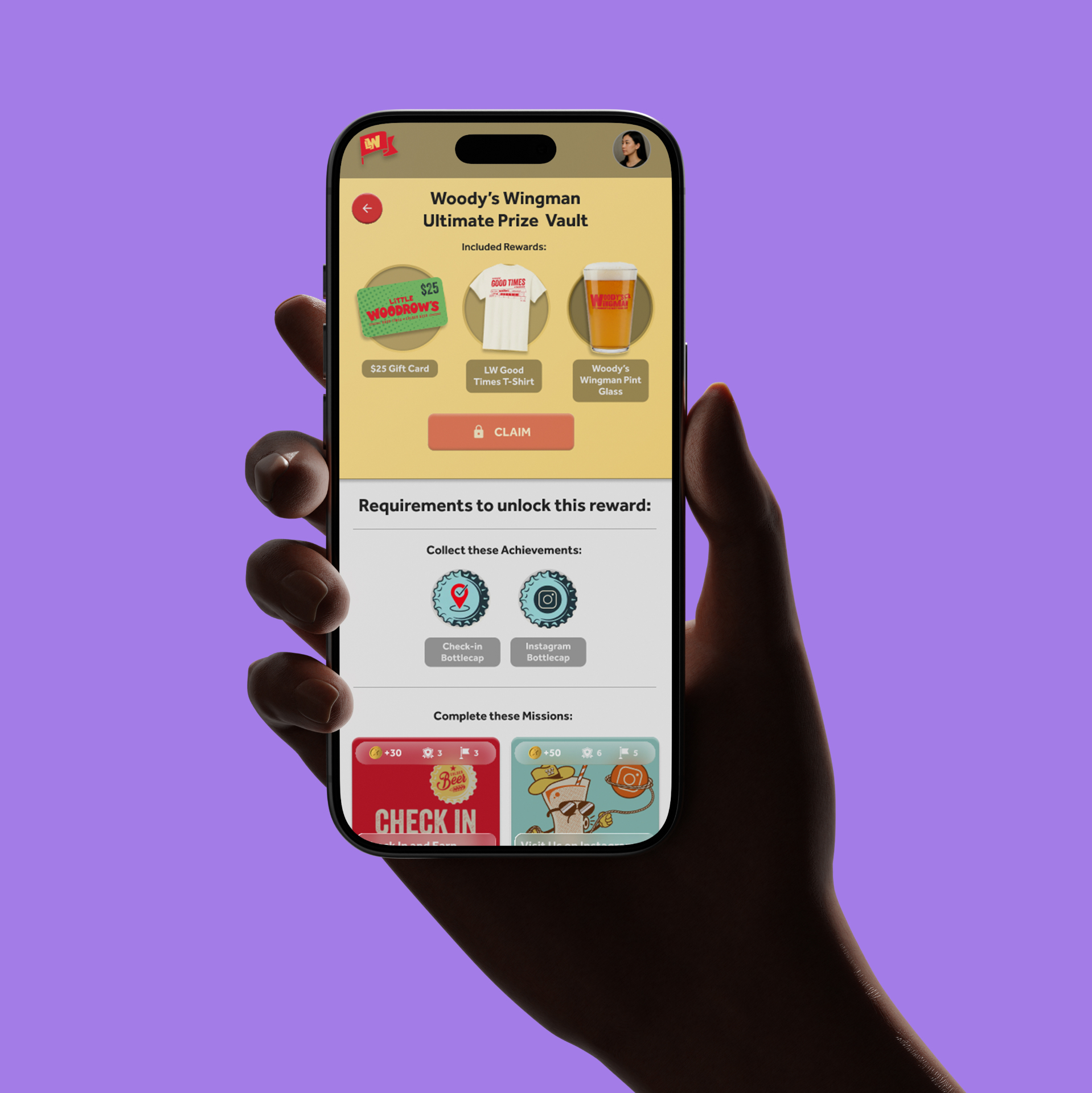
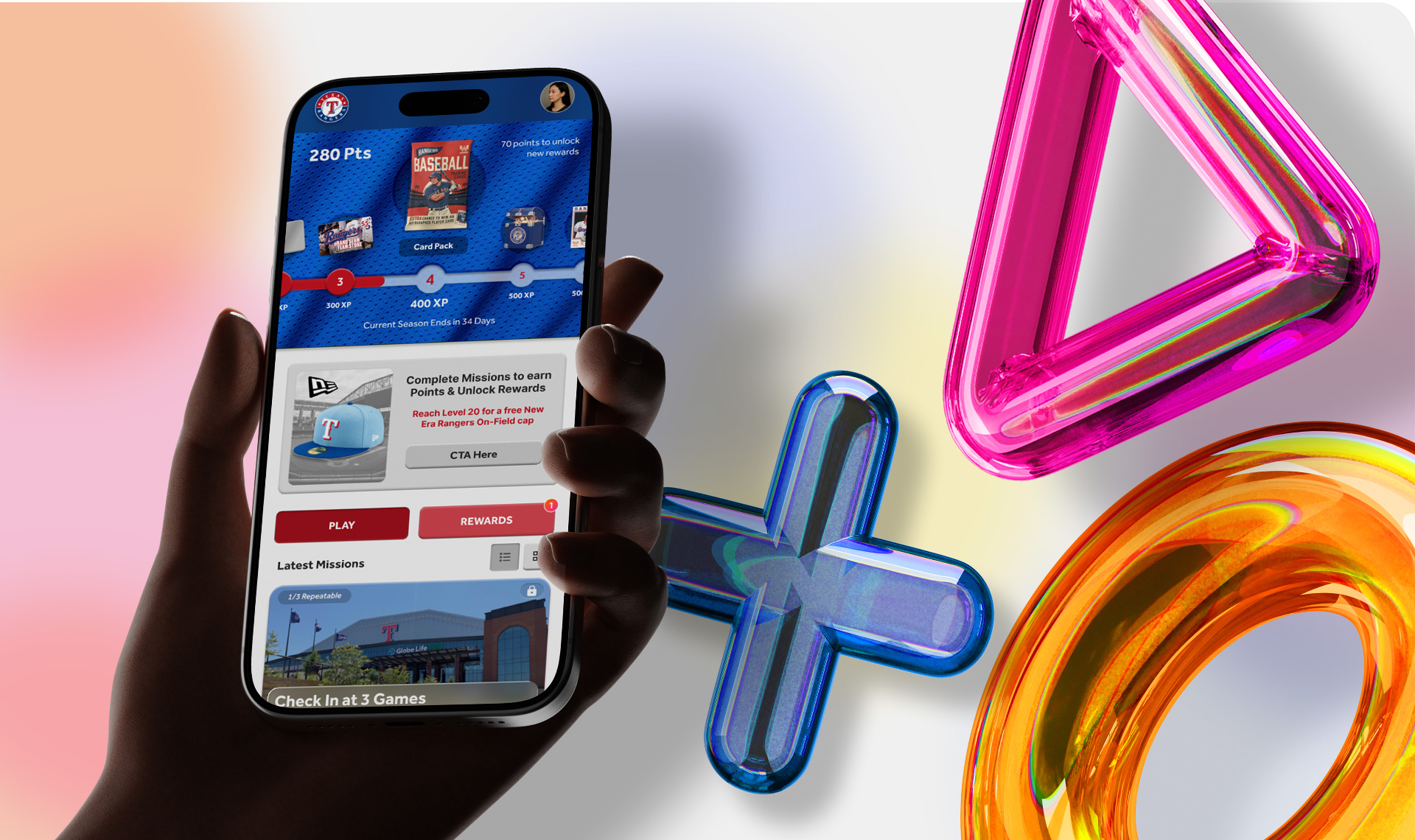
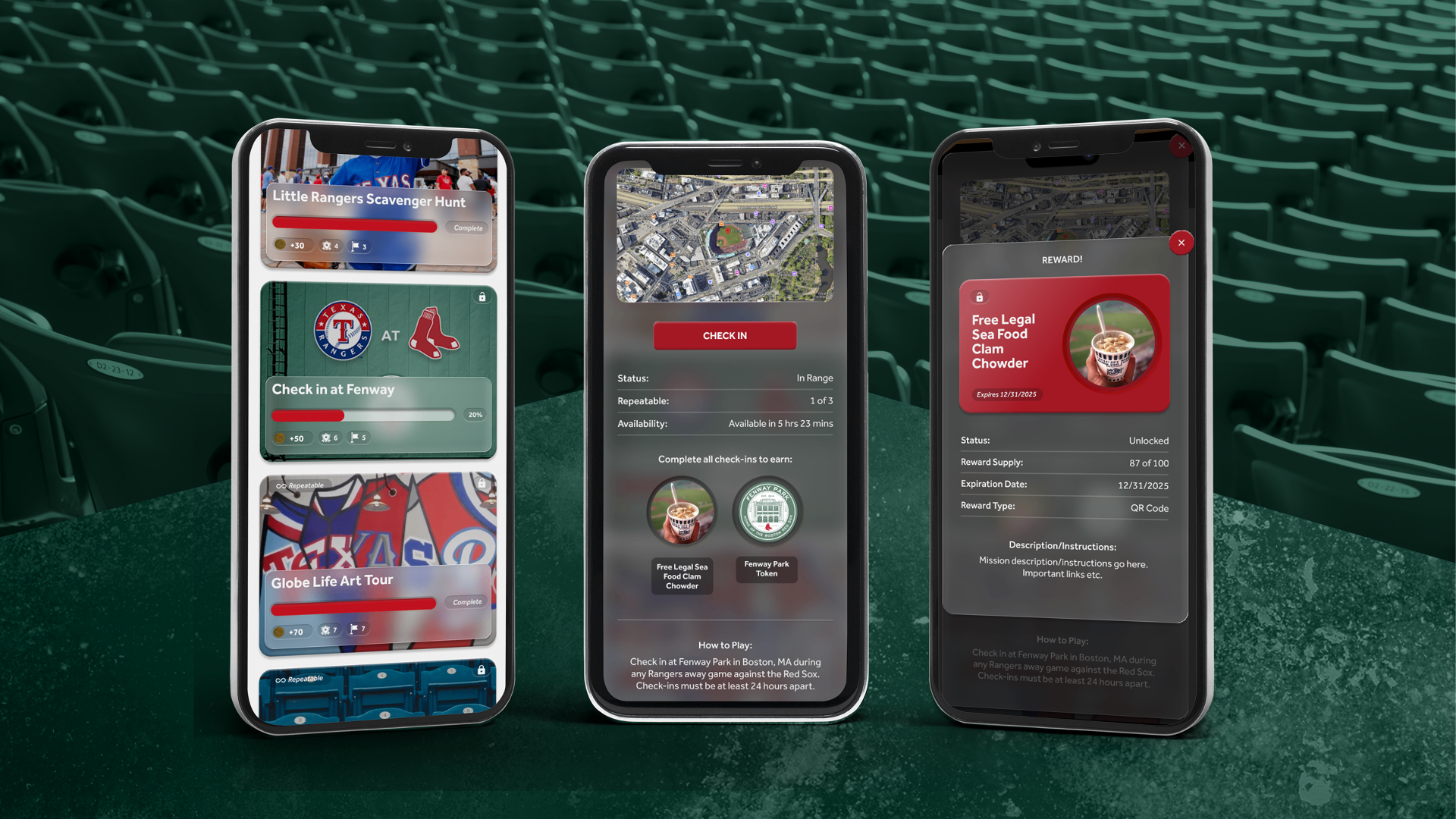
Tronic Play card
Tronic Play mission and reward screensTronic Play reward vault mockup
03

Strategic Framework

Define the product. Build the team. Ship in parallel.

My first decision as Head of Product was sequencing: before any design work began, I needed a team capable of doing it, and before that team could work effectively, we needed shared principles to work from. The strategy phase ran three tracks simultaneously — product definition, team assembly, and process design.

Product positioning decision The core strategic bet was that emotional architecture outperforms transactional architecture in loyalty. Points accumulate passively. Missions are completed actively. The distinction sounds subtle but changes everything about how users relate to a brand over time. Active participation creates memory. Memory creates loyalty. This conviction governed every feature prioritization decision on the roadmap.

Discovery before features Because Tronic was a greenfield product, I enforced a strict discovery-first discipline. No feature was defined before the user need behind it was understood. Early discovery included stakeholder alignment sessions, competitive analysis of the loyalty and gamification landscape, and direct conversations with potential users about their goals, frustrations, and existing behaviors. The product's core value proposition and feature set emerged from that research — not from assumption.

Flexible architecture for infinite brands The strategic solution to the brand flexibility problem was a channel architecture — each brand operates its own branded channel within the Tronic Play app, with full control over visual identity, Mission design, and Incentive structure via Tronic Studio. The consumer-facing UX remains consistent; the brand expression within it is entirely configurable. This architecture decision — made at the strategy phase — determined the entire technical and design approach that followed.

Team design as product design I assembled and led a team of five UI/UX designers and researchers, structured for the specific demands of a fast-moving early-stage product: close-knit enough to move quickly, specialized enough to cover research, interaction design, visual design, and systems simultaneously. I integrated AI-driven tools into the workflow early — reducing manual task load by 25% and accelerating content delivery — establishing efficiency infrastructure before the team scaled.

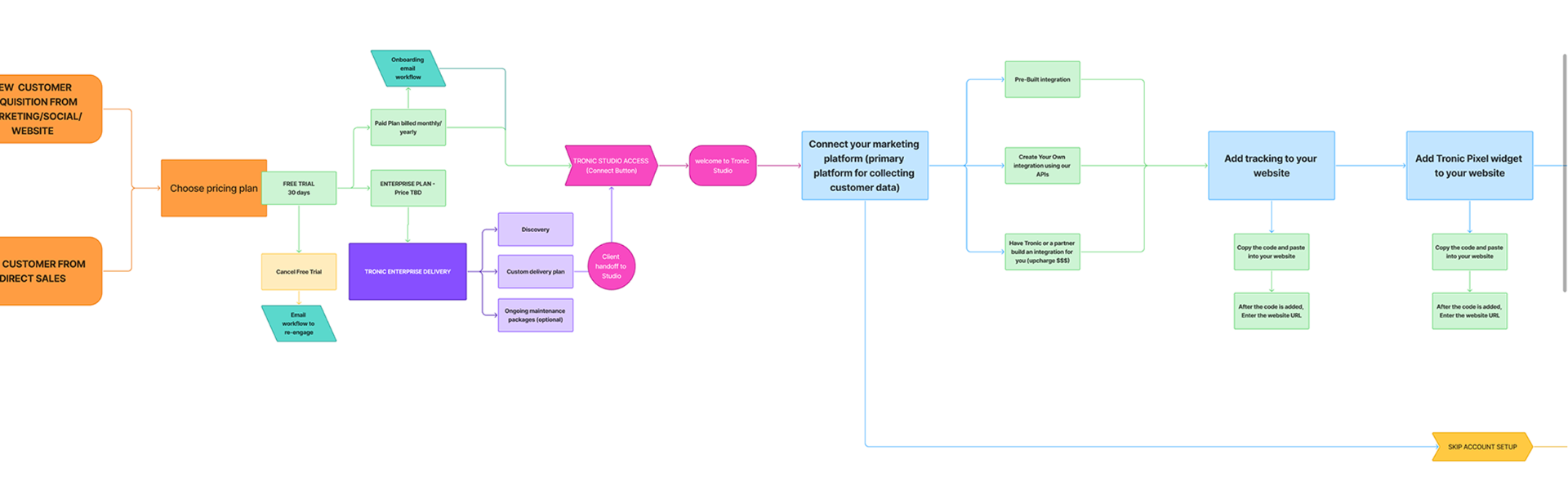
Tronic Play onboarding workflow diagram
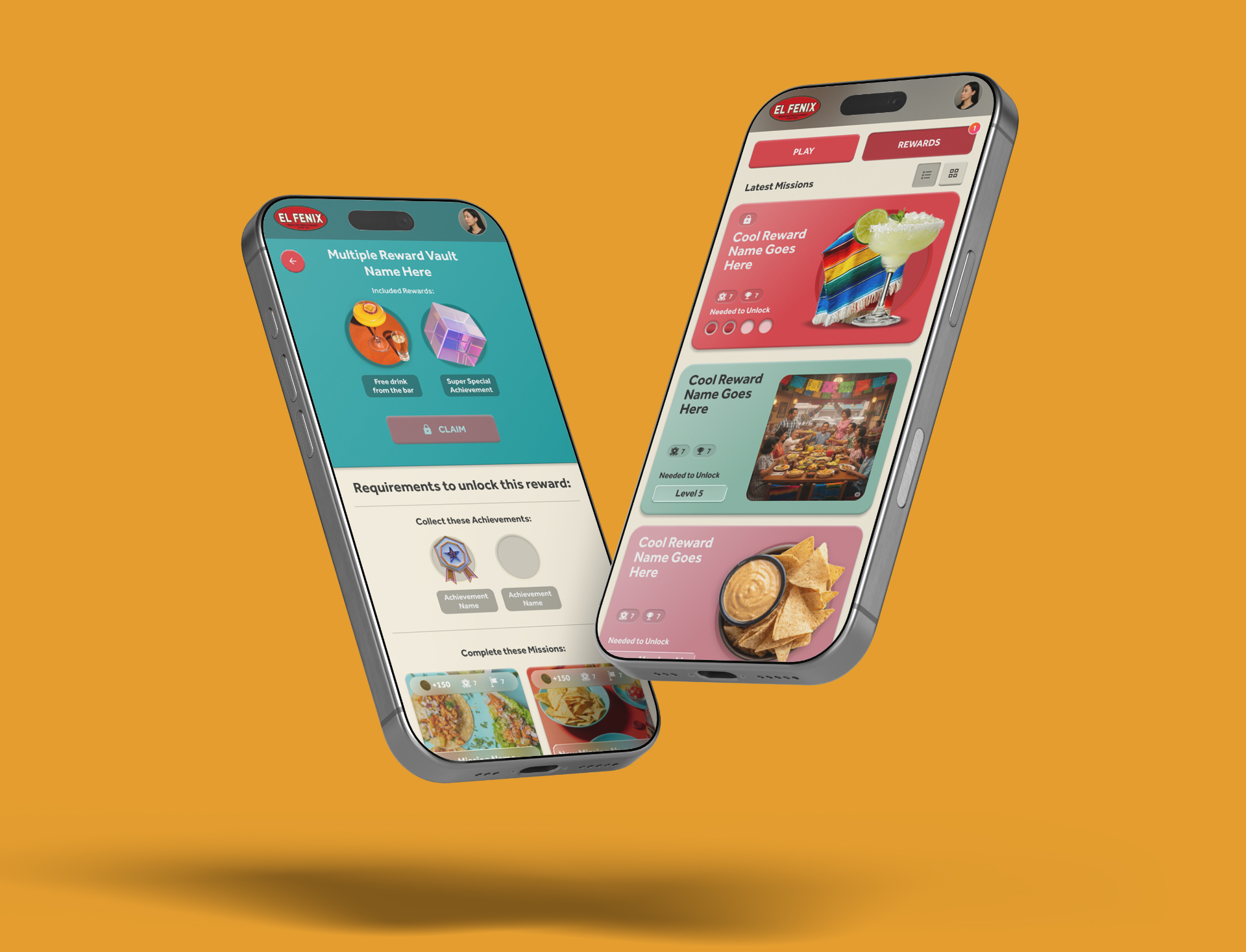
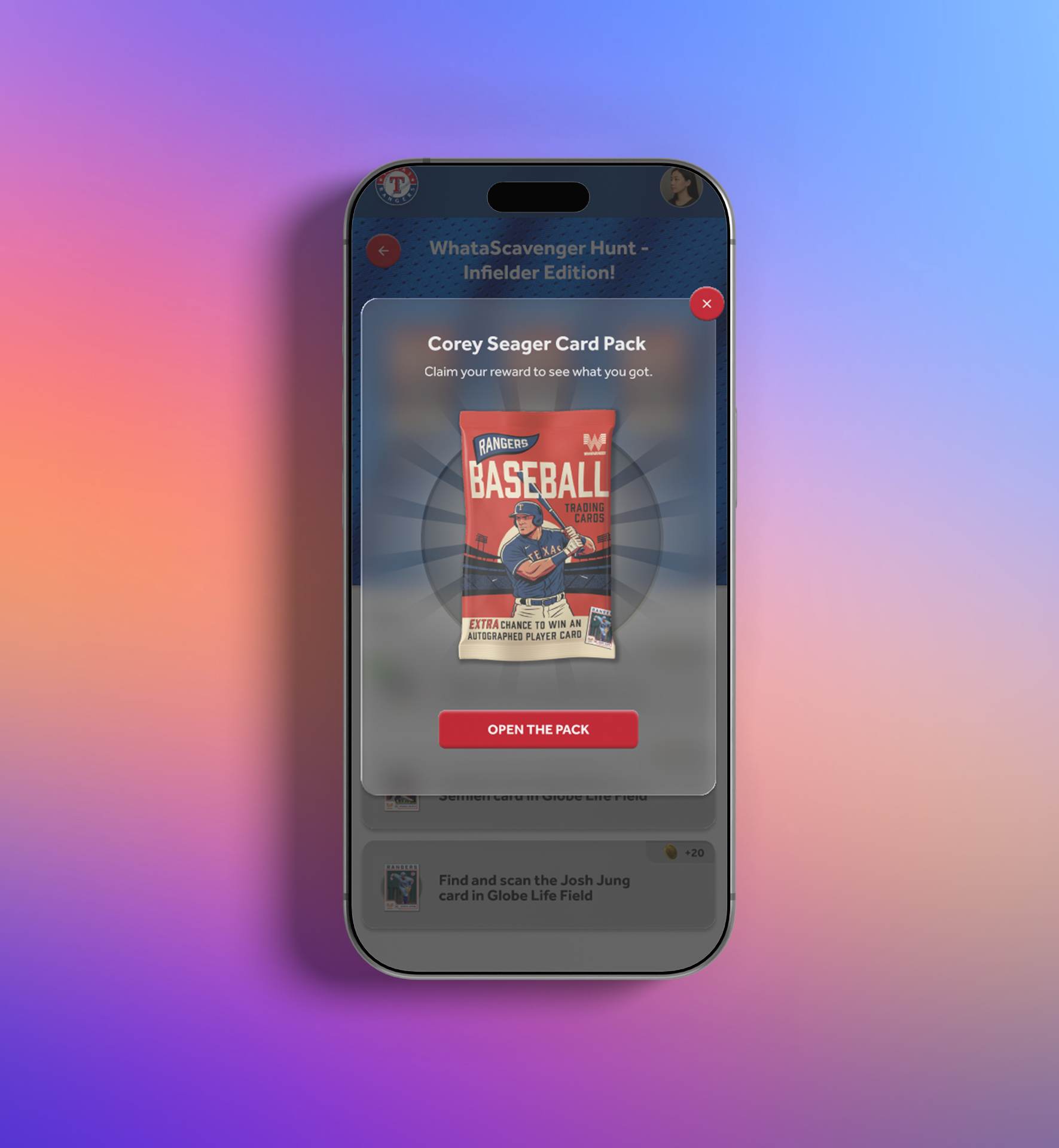
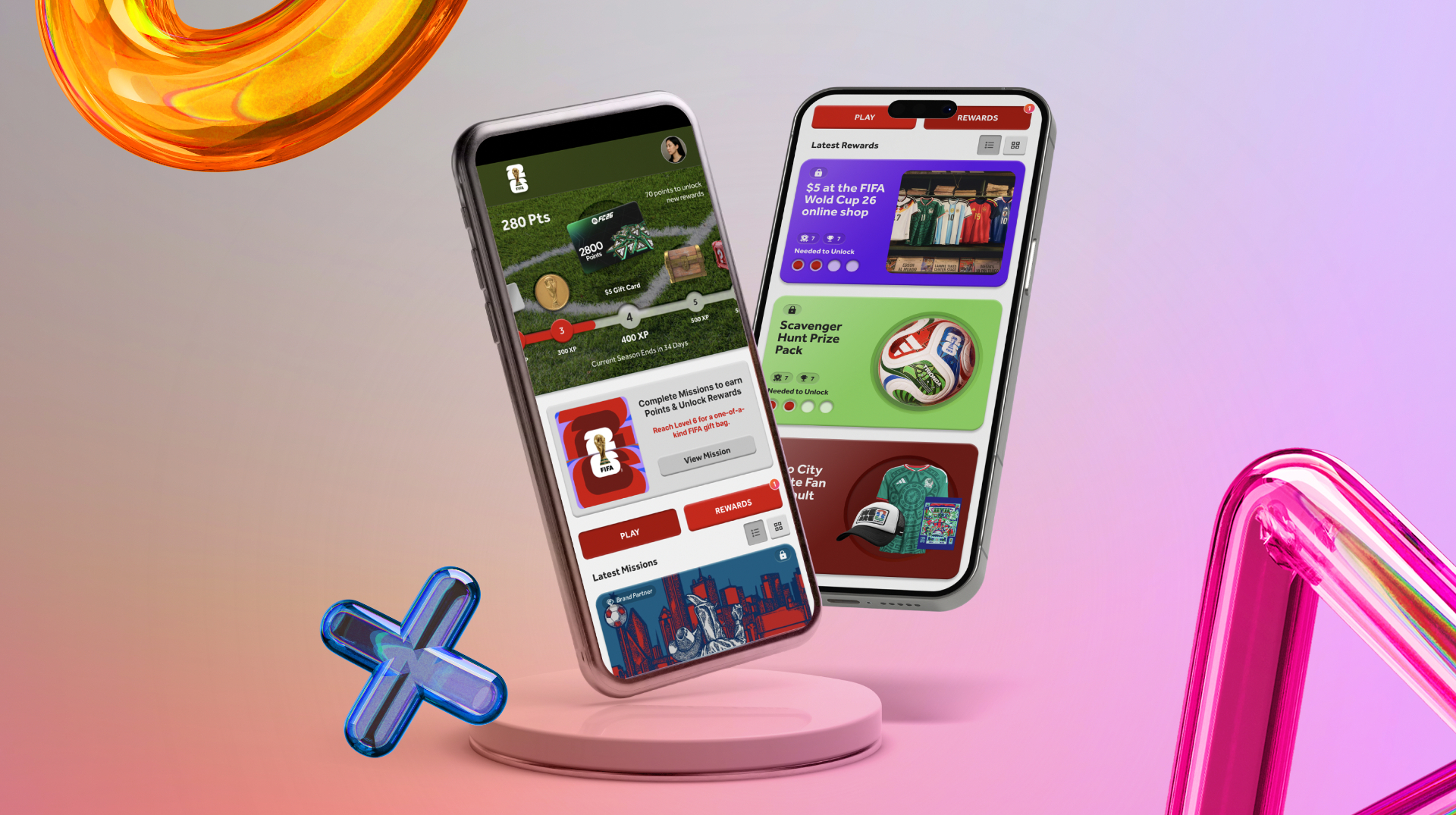
El Fenix Tronic Play reward vault and missionsTexas Rangers WhataScavenger Hunt card pack reward
04

Creative System

A design system built for a platform, not a product.

UX research & journey mapping Led the full discovery process — user interviews, competitive analysis, and stakeholder alignment — that defined the product's feature set and interaction model. Mapped complete user journeys for both primary user types (consumer and brand manager), ensuring critical actions were obvious, efficient, and repeatable across every context the platform would encounter.

Interaction design & prototyping UI and UX design evolved together through rapid prototyping cycles. Interactive high-fidelity prototypes served dual purposes: internal validation tools for testing assumptions before development, and pre-sales assets for demonstrating the product to prospective clients. Several key partnerships and client commitments were secured through prototype presentations before the product shipped.

Points, missions & incentive system design Designed the core gamification mechanics — the progression architecture that gives Tronic Play its emotional backbone. This included the points and token system, Mission design patterns (the playable tasks users complete for rewards and progression), and the Incentive framework (rewards, digital tokens, and point redemption). Each mechanic was designed to be configurable by brands through Tronic Studio while maintaining consistent engagement logic across all channels.

Component-based design system Built a flexible, component-based design system alongside the product — not after it. The system was designed for the specific demands of a multi-brand platform: components needed to accept brand-specific theming without breaking layout or interaction patterns. This system enabled the team to build new brand channels quickly and consistently as the client base grew, without rebuilding from scratch for each new partner.

Product documentation Developed comprehensive product documentation covering interaction patterns, component usage, design decisions, and workflow guidelines — reducing cross-team communication friction by 50% and enabling faster onboarding as the team and client roster grew.

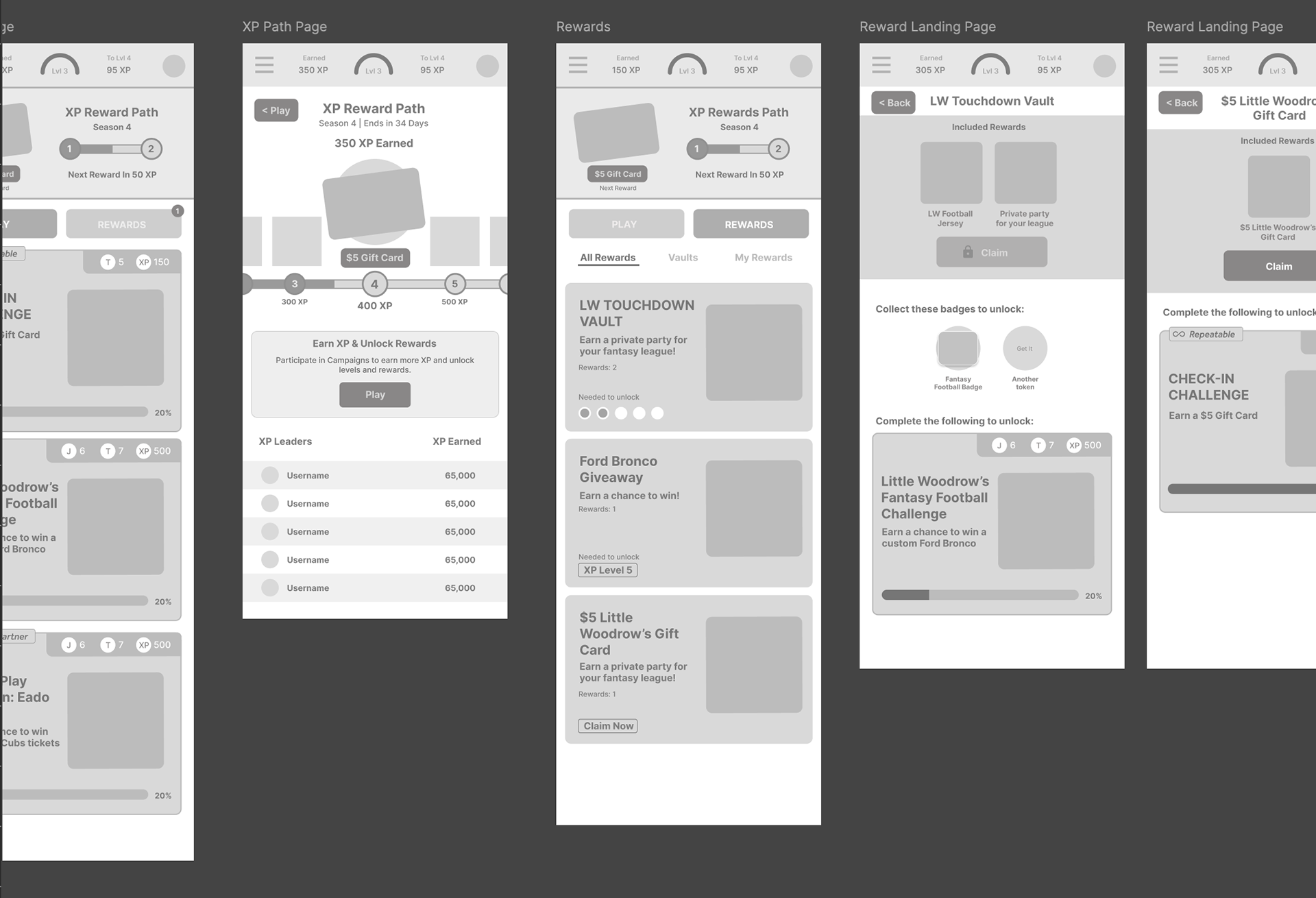
Tronic Play wireframes
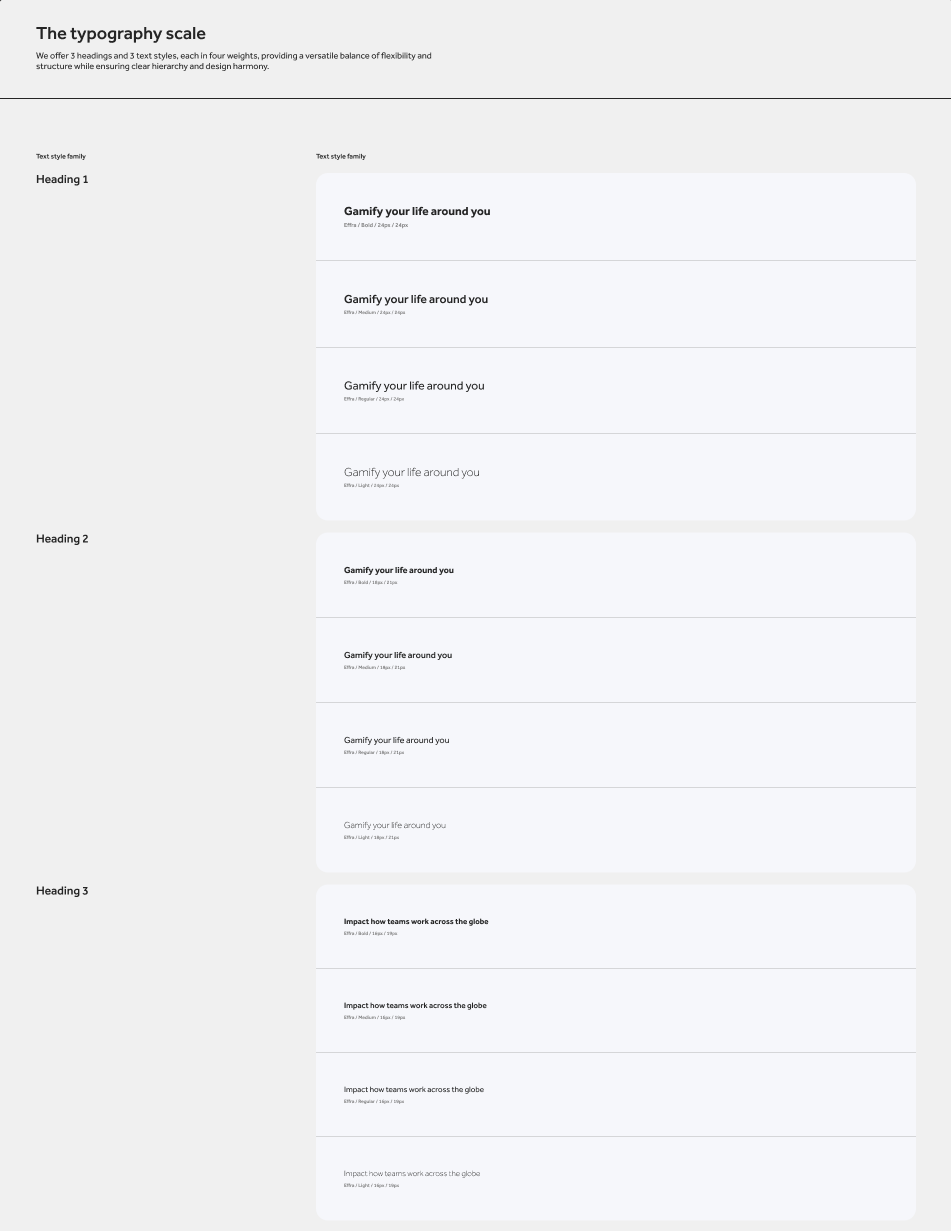
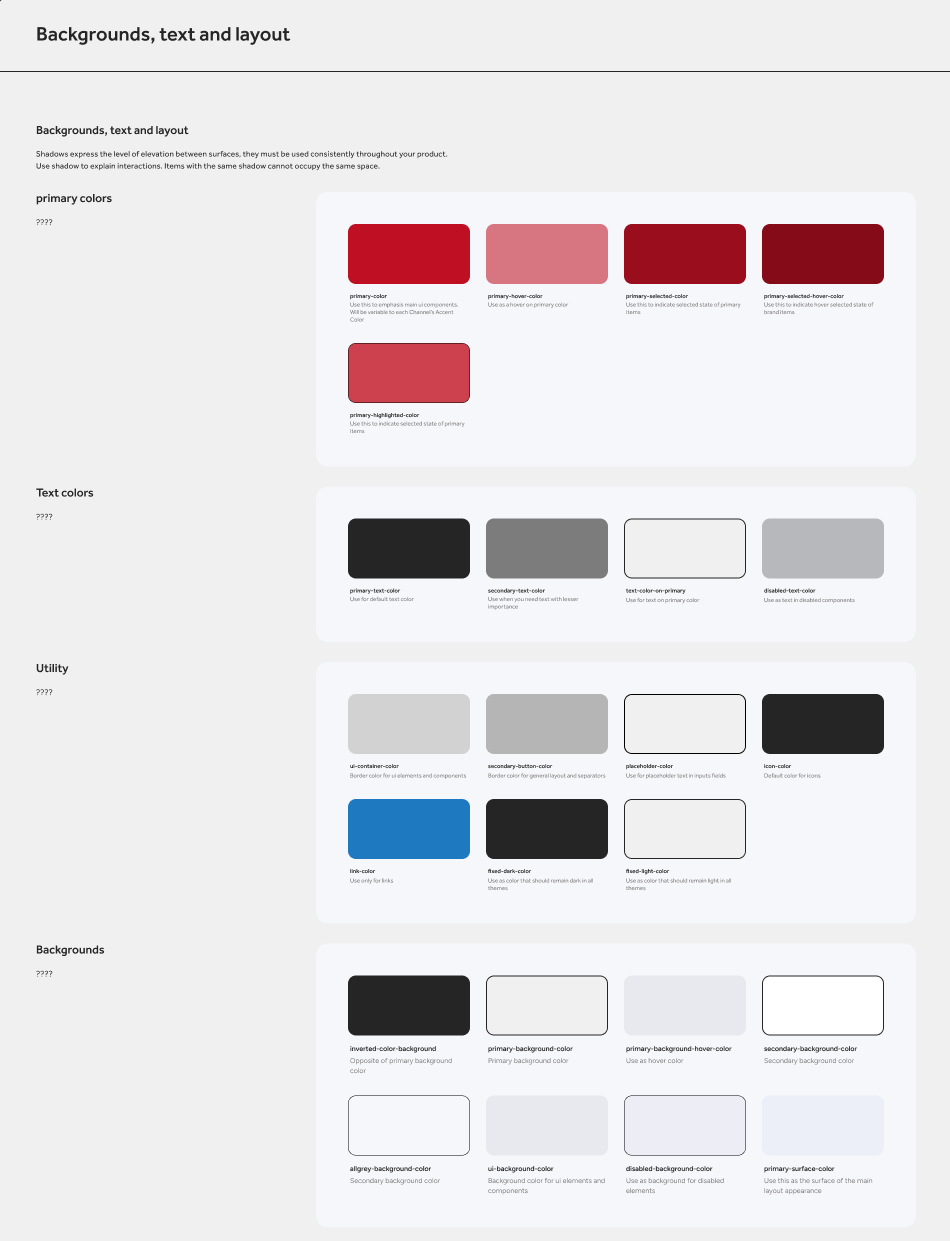
Tronic Play typography scaleTronic Play color system
05

Organizational Impact

A team, a platform, and a growth engine — built simultaneously.

Product launched with 4 active beta clients Tronic Play launched successfully and entered beta with four active clients — including Vogue Singapore and Little Woodrow's — validating the platform's core value proposition across multiple industries simultaneously. Launching a multi-brand platform with clients in market at beta stage, rather than chasing clients post-launch, reflects the pre-sales work embedded in the product development process from day one.

50% improvement in project delivery speed Cross-functional partnerships between Creative, Product, Marketing, and Operations — built and maintained across the full engagement — drove a 50% improvement in project delivery speed. Organizational alignment wasn't a byproduct of the work; it was a designed output.

3x increase in workflow efficiency Improved creative workflows and internal systems — including AI tool integration and process redesign — produced a 3x increase in efficiency and cross-team alignment. The 25% reduction in manual tasks from AI integration alone freed meaningful design capacity for higher-order product work.

50% increase in user engagement Data-driven optimization of product concepts and user interfaces, informed by behavioral insights and testing, produced a 50% increase in user engagement. This metric, achieved during beta, validates the core strategic bet: that emotionally architected loyalty mechanics outperform transactional ones.

Pre-sales through prototype Designed and presented interactive prototypes directly to prospective clients, contributing to partnership commitments and sales growth before the product reached full launch. The ability to sell a product through its design — before it ships — reflects a product leadership posture that operates at the revenue level, not just the delivery level.

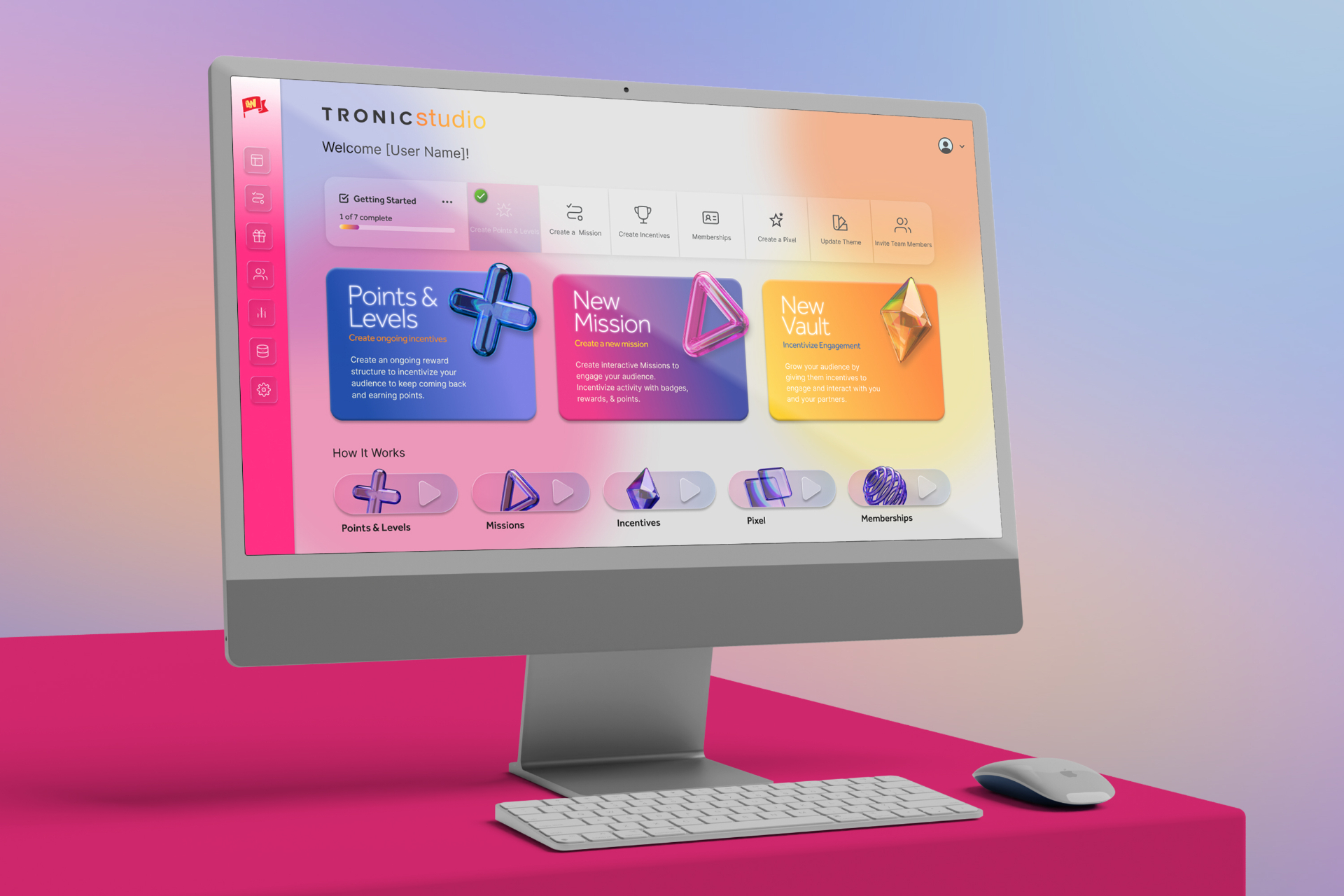
Tronic Studio home dashboard
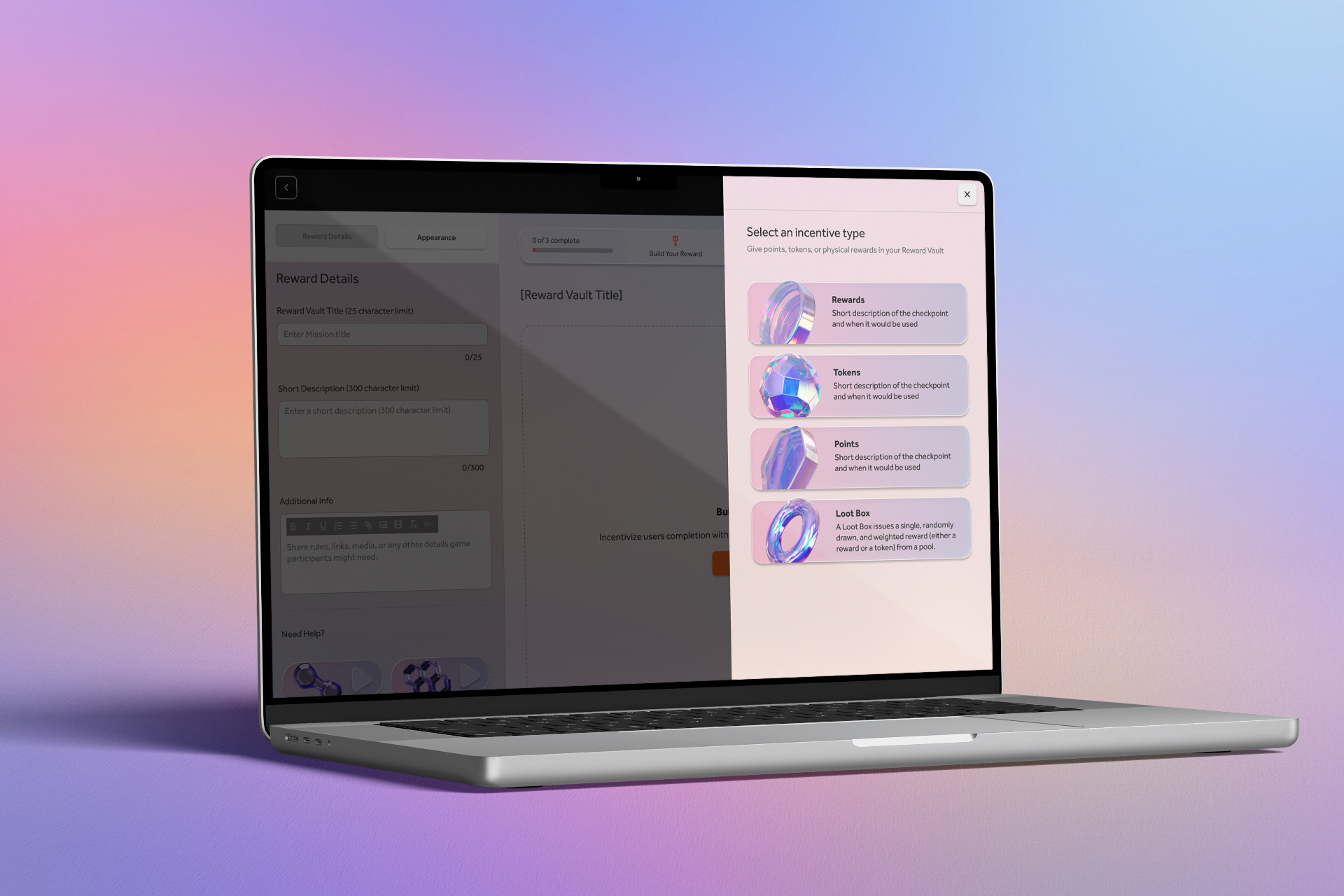
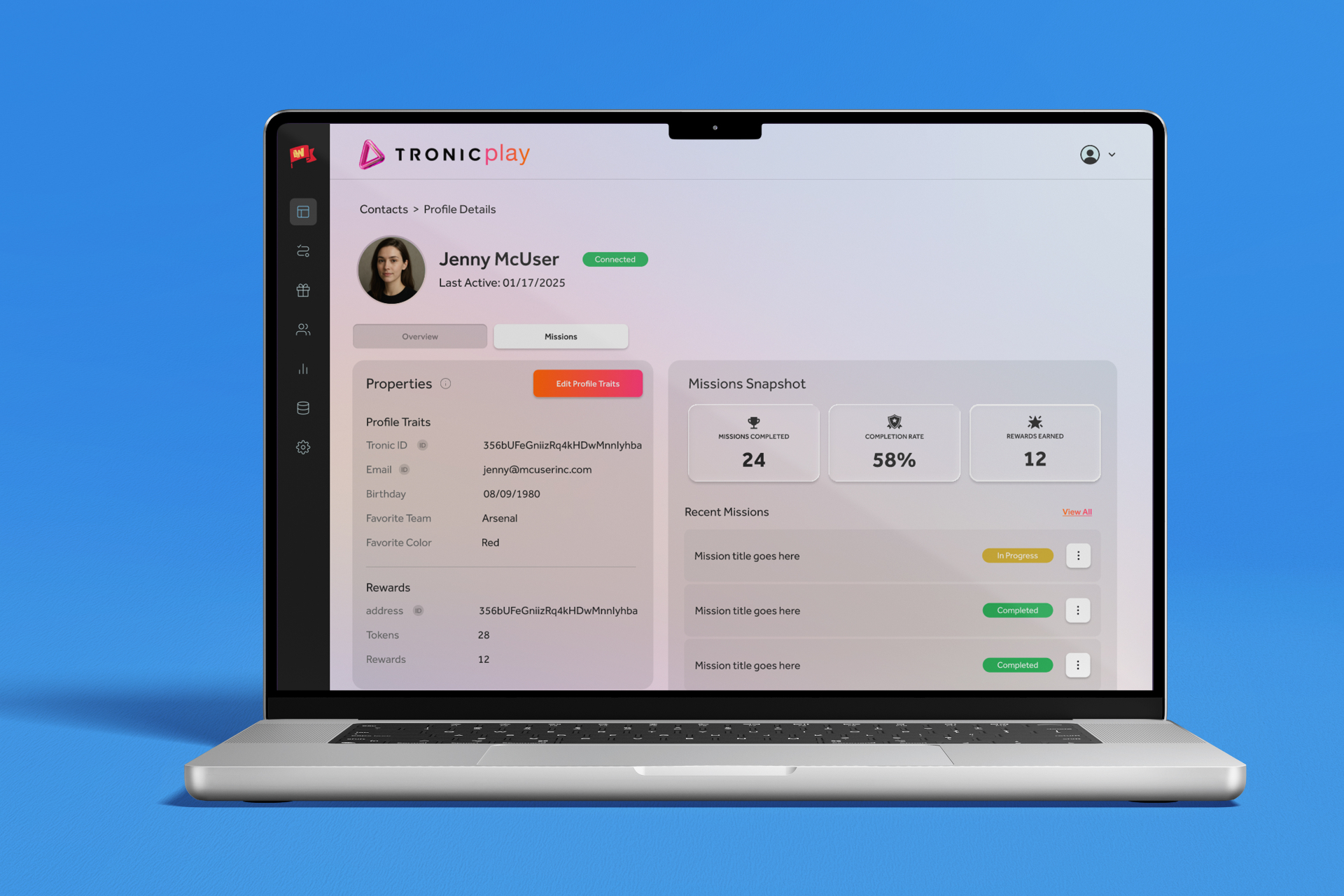
Tronic Studio incentive type selectionTronic Play user profile and missions snapshot