Business Context
Established brand. Drifting identity.
Founded in 2003, Lucky Strike had built genuine equity around a single idea: unapologetic fun for adults. Over nearly two decades, the brand grew from a bowling destination into a full-scale entertainment venue — arcade, darts, pool, ping pong — operating across multiple locations nationwide.
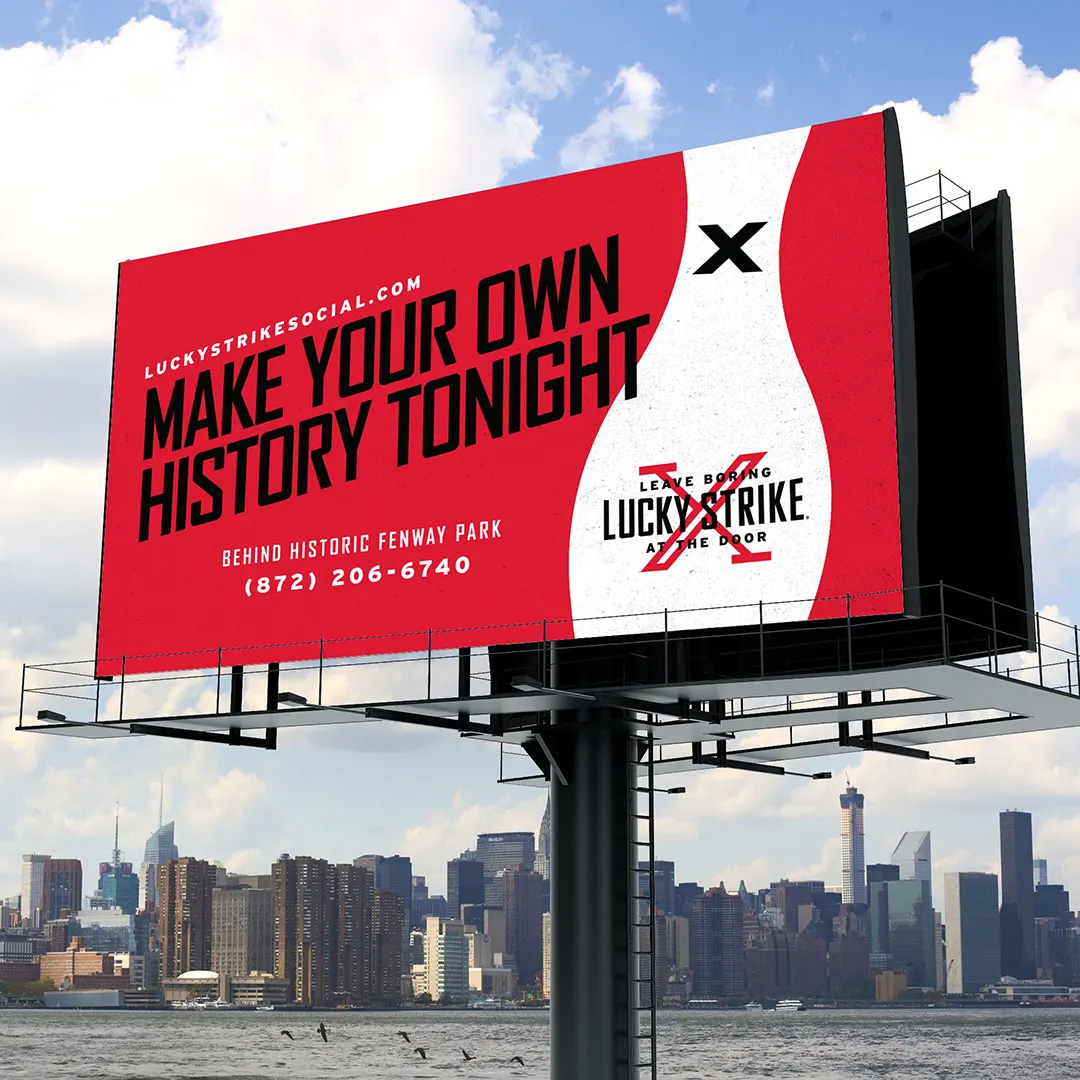
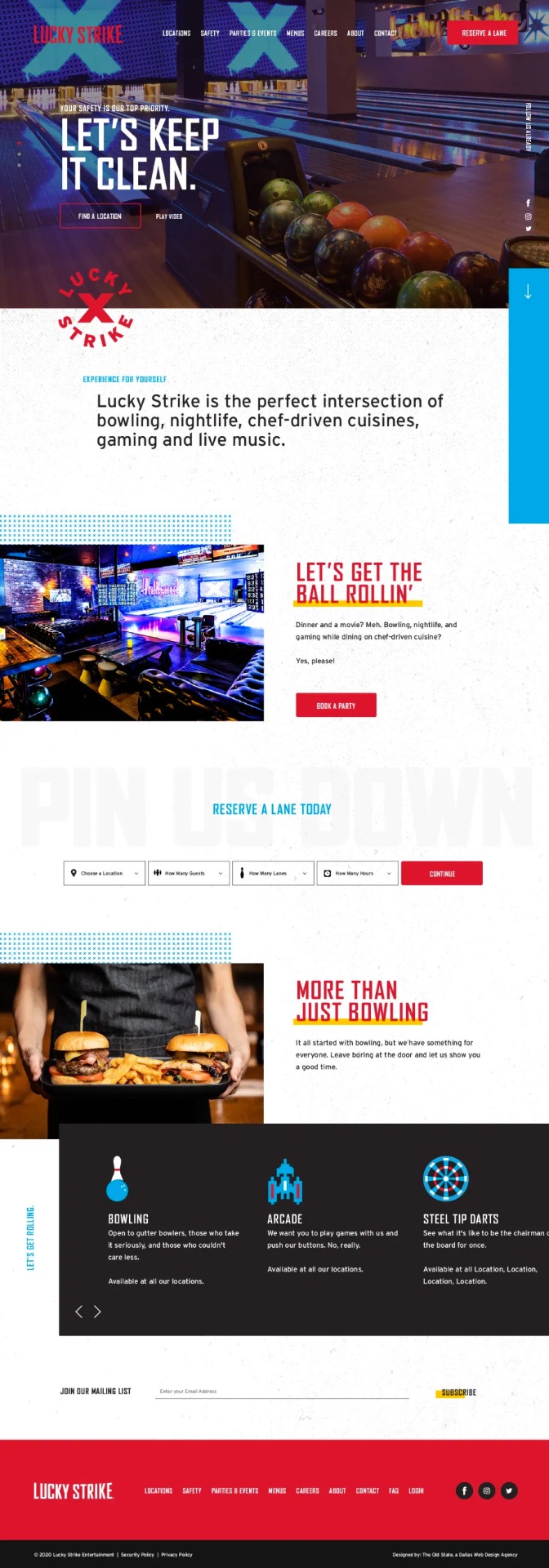
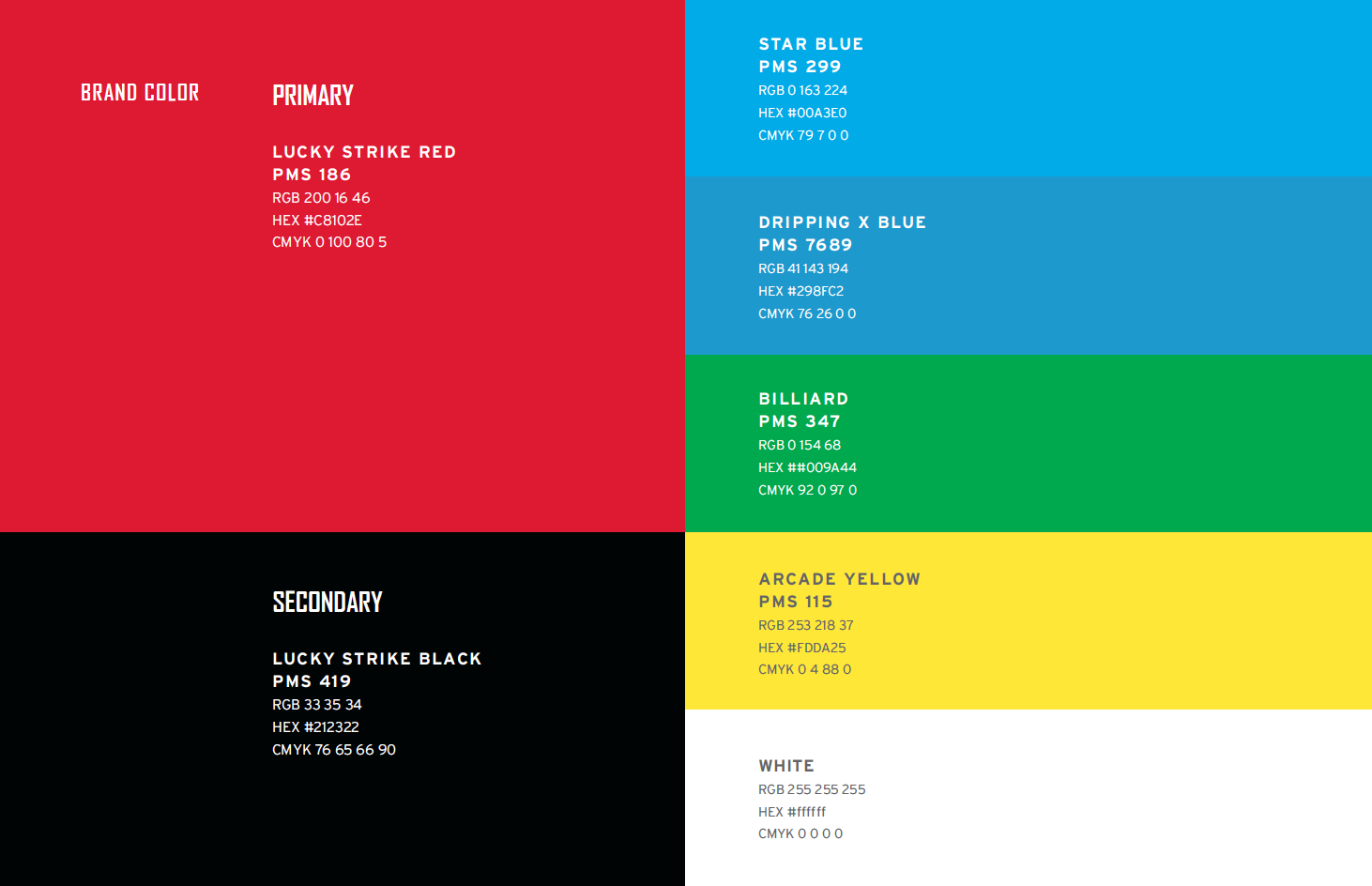
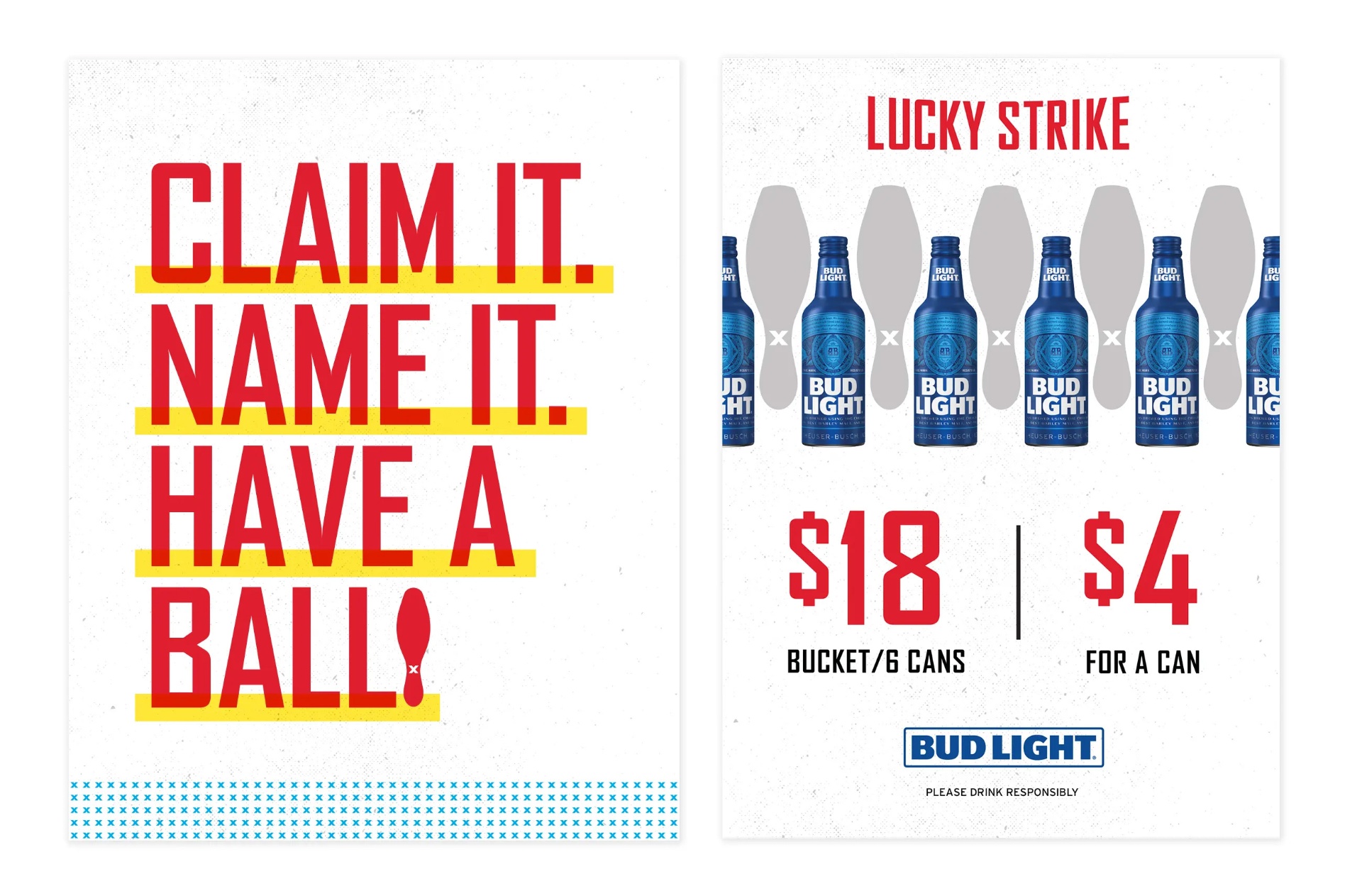
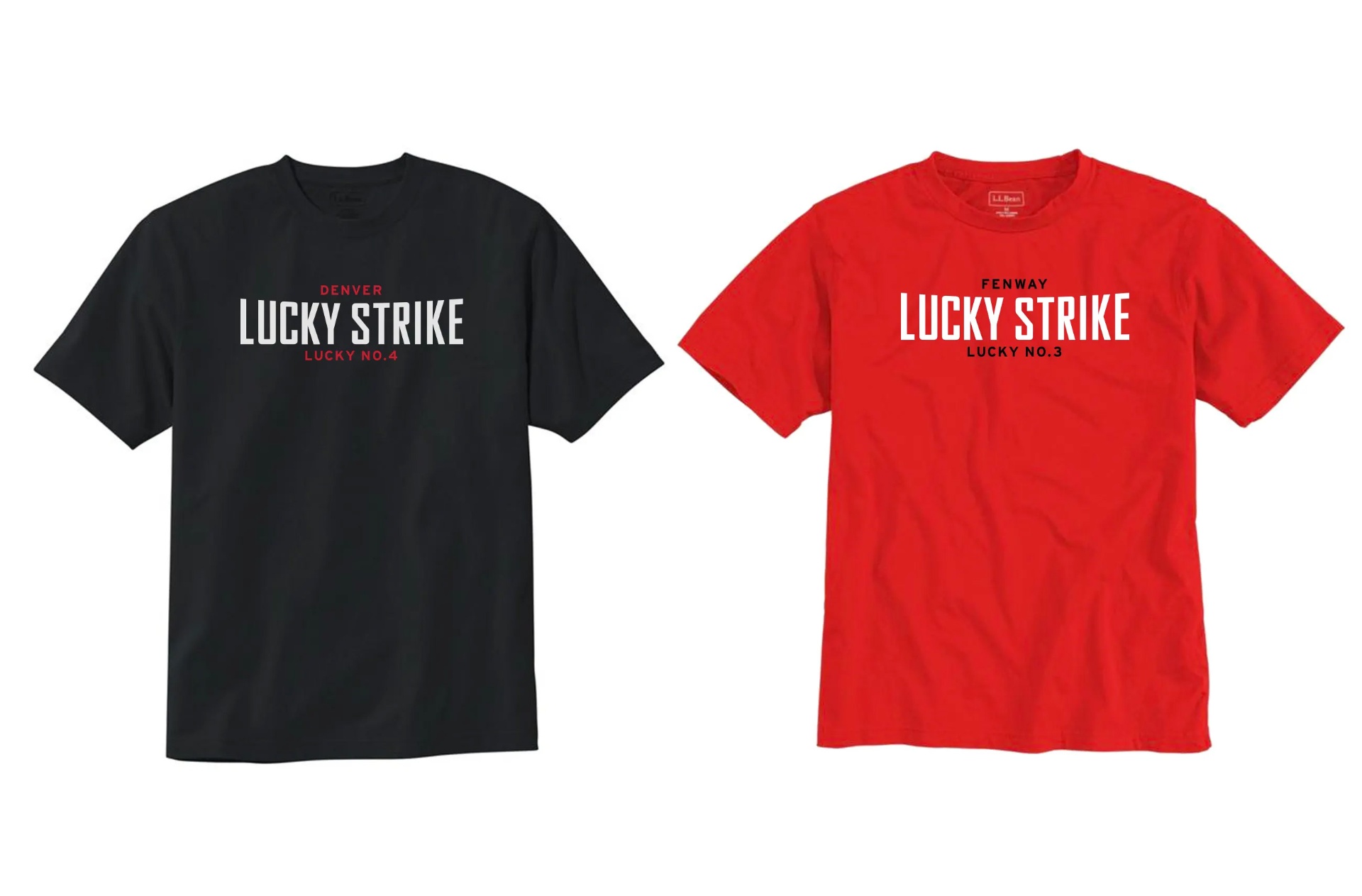
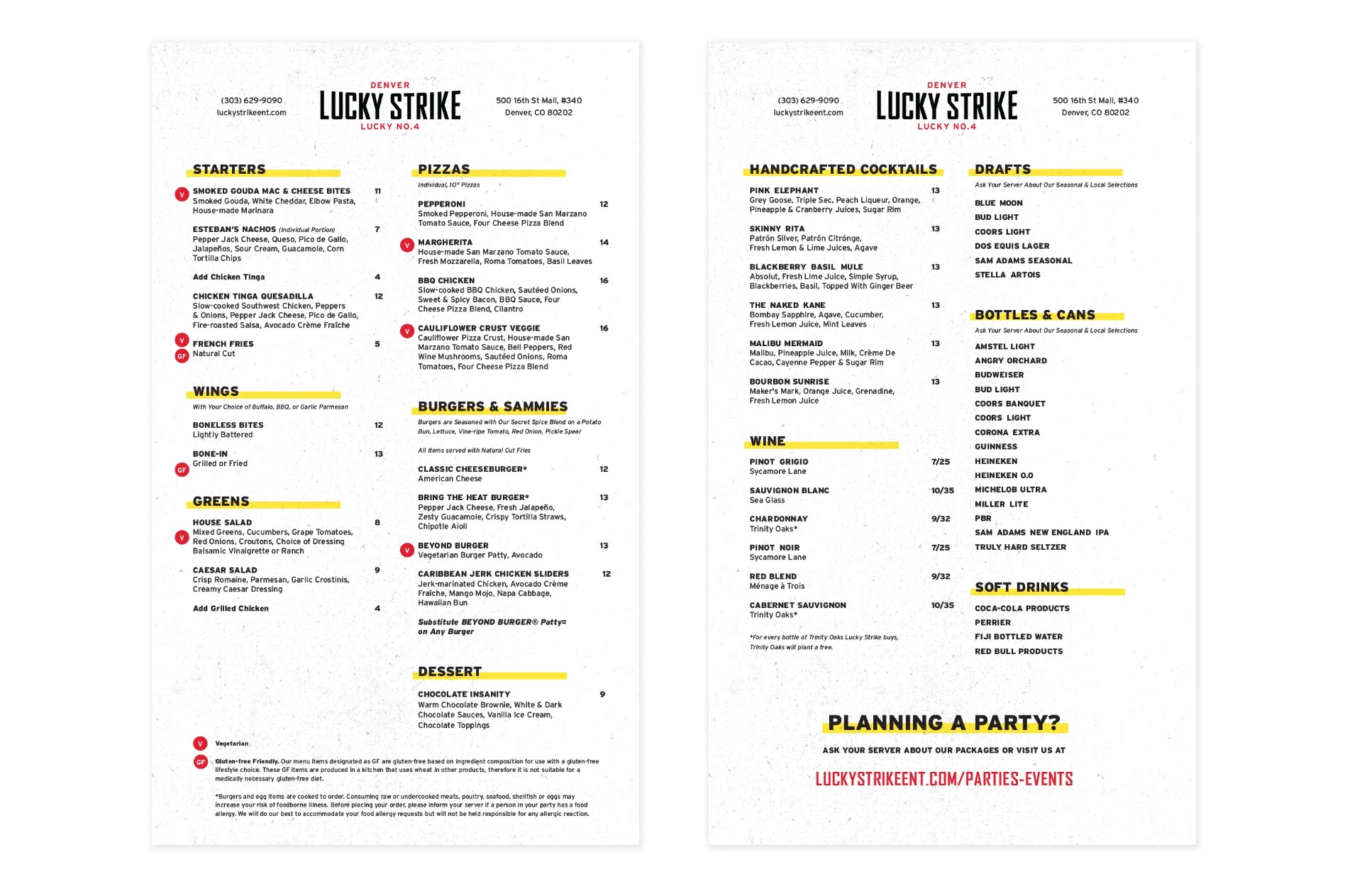
But growth had introduced drift. The brand that once stood clearly for carefree adult play had become harder to define. Marketing was reactive. Visual language varied by venue and campaign. The emotional core of the brand was present, but no longer purposefully governed.
Stage:
Multi-location enterprise with established legacy, operating without the systems to scale identity consistently
Market position:
Mid-market grown-up entertainment competing in a crowded experiential leisure category which includes bowling alleys, axe throwing venues, immersive experiences, upscale bars. Lucky Strike's strongest differentiator was its emotional DNA: permission-granting fun for grown-ups. That edge had dulled.
Brand maturity:
History, physical presence, and guest loyalty but no documented architecture to govern how the brand showed up across touchpoints. No unified voice. No visual system. No strategic guardrails.