Curtis Hale
04

Musume

01

Business Context

A blank canvas with one great idea.

A high-end restaurant group came to us with a name, a concept, and a sample board from their interior design team. The name was Musume — the Japanese word for "daughter." The concept: a modern, rebellious counterpart to the traditional sushi restaurant. The sample board: the only visual reference in existence.

Everything else needed to be built.

Stage:

Pre-launch startup — zero brand equity, zero audience, zero visual language. Opening day had a fixed date.

Market position:

Premium sushi dining in Dallas — one of the most competitive restaurant markets in the country, with hundreds of new openings each year and a dining culture that rewards bold concepts and punishes generic ones. The target audience was a younger, style-conscious Dallas diner who wanted elevated Japanese cuisine without the formality and reverence that traditionally surrounds it. That audience existed and was underserved. Musume was built to own that space.

Brand maturity:

Non-existent at engagement start. The entire brand architecture — story, identity, voice, visual system, and marketing infrastructure — needed to exist before the doors opened.
Musume
02

The Alignment Problem

Everything had to be invented, and it all had to open on the same day.

Building a restaurant brand from a name and a mood board is a different creative problem than refreshing an existing brand. There is no equity to protect, no existing audience to respect, no legacy system to work within — but there is also no foundation to build on, no existing creative to reference, and no room for the brand to evolve slowly over time. It had to arrive fully formed.

The structural challenges were significant:

No brand existed — no story, no visual language, no voice, no positioning. Every element needed to be originated, not refined

Multiple teams working simultaneously — architecture, interior design, and brand all needed to develop in parallel and arrive at a coherent, unified experience. Misalignment between interior environment and brand identity would have been immediately visible to every guest

Fixed launch timeline — signage, menus, website, marketing infrastructure, and social presence all had to be ready before the first reservation was honored. There was no soft launch, no beta, no phased rollout

An audience that didn't know Musume existed — building the brand was only half the problem. Building awareness, desire, and reservation volume from zero — before opening — was the other half

No marketing infrastructure — email, social, and reservation systems all needed to be built and tested before they were needed

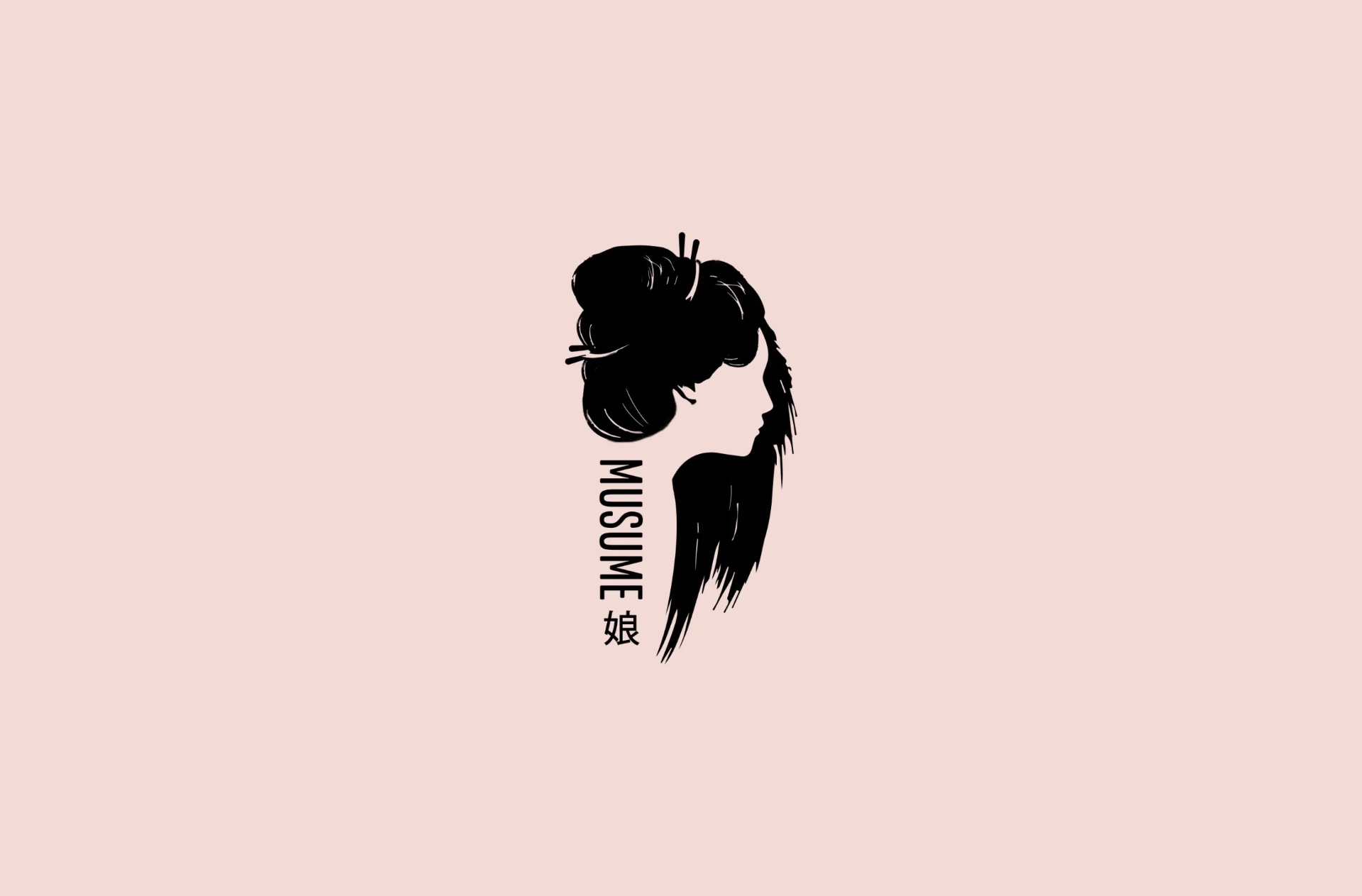
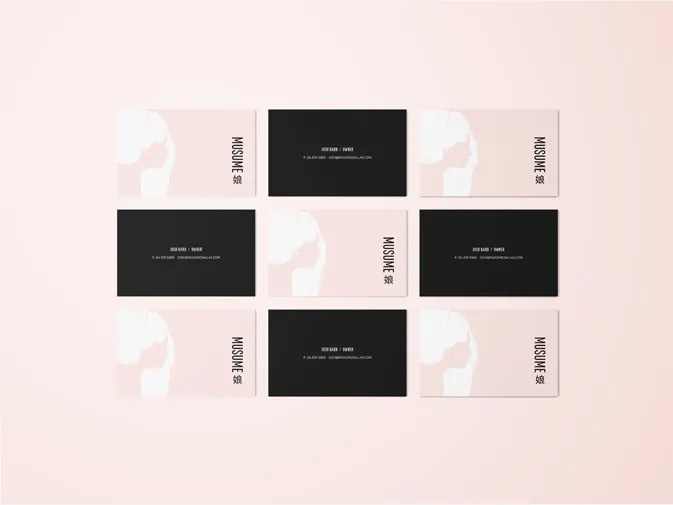
Musume brand mark on blush
Musume business card systemMusume vertical wordmark on black
03

Strategic Framework

Start with the story. Build everything from there.

The strategic foundation of the entire engagement was a single narrative decision: Musume would be positioned not as a new sushi restaurant, but as a character — the rebellious daughter of the traditional sushi establishment. That narrative gave the brand something most restaurant identities lack entirely: a point of view. A personality. A reason to exist beyond the food.

Positioning decision The Dallas high-end sushi category defaults to one of two positions: reverent tradition or minimal modernity. Neither was speaking to the younger, more irreverent Dallas dining demographic — guests who wanted sophisticated Japanese food and sake but felt no connection to the formal, deferential experience that typically comes with it. The insight was that this audience didn't just want a different restaurant — they wanted permission to experience fine sushi on their own terms. The "rebellious daughter" narrative gave them exactly that: a brand with a point of view, a personality, and a story that reflected their own relationship to tradition. It also gave us a creative framework that was genuinely ownable — no other sushi concept in Dallas was telling this story.

Narrative as design brief Once the brand story was established, it functioned as the creative brief for every subsequent decision. The logo needed to carry a sense of adventure with a hint of tradition. The typography needed to feel modern but rooted. The environmental design — signage, menus, physical space — needed to feel like it belonged to a specific person, not a generic category. Every vendor, every production partner, every design decision was evaluated against the same question: does this feel like Musume, or does it feel like a sushi restaurant?

Pre-launch as brand activation The construction barricades surrounding the space during build-out were treated not as a nuisance to minimize but as the brand's first public communication — an opportunity to introduce the Musume story, create intrigue, and begin building anticipation before a single piece of food had been served. This reframe — every pre-launch touchpoint is a brand moment — shaped the entire marketing and awareness strategy leading up to opening.

Marketing infrastructure as a launch asset Rather than building marketing systems after opening and optimizing later, the strategy called for marketing automation, social presence, and reservation integration to be fully operational at launch. The goal was to arrive on opening day with a functioning growth engine, not just a functioning restaurant.

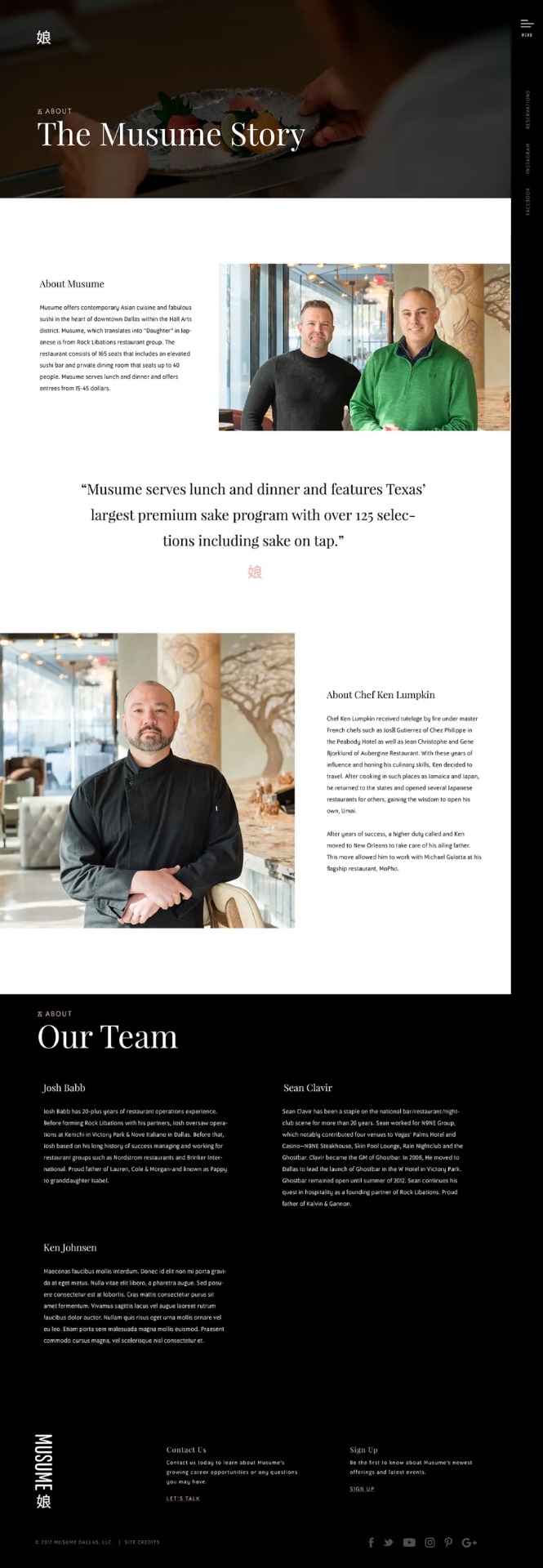
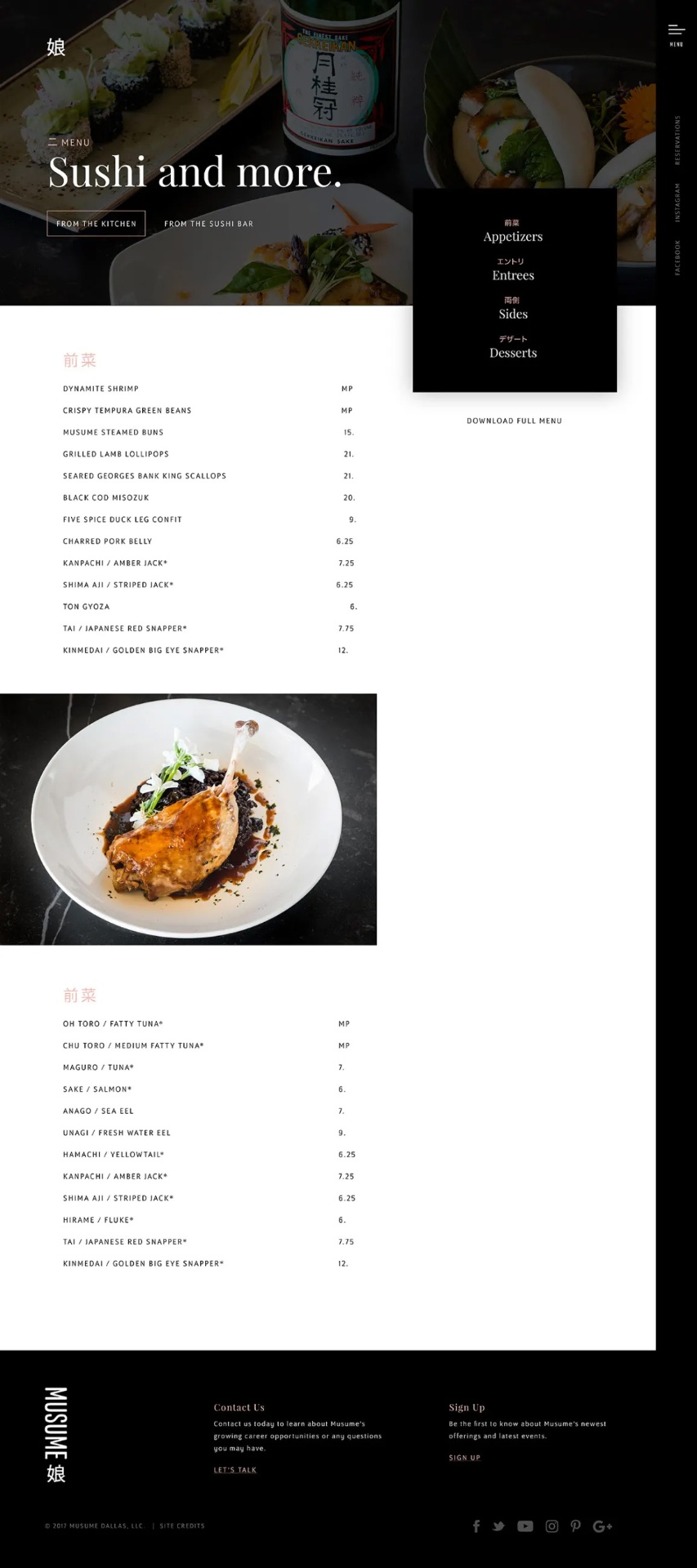
Musume About pageMusume Menu page
04

Creative System

A complete brand, built in parallel with the restaurant itself.

Brand identity Developed the complete Musume identity system from the ground up: brand narrative and positioning, logo mark balancing modernity with traditional reference, color palette, typography, imagery direction, and voice and tone guidelines. The identity needed to work across contexts ranging from exterior signage at street scale to menu typography at inches — all while remaining unmistakably coherent.

Environmental & print design Directed the production of the full suite of physical brand expressions: exterior signage, construction barricades designed as pre-launch brand activation, a complete menu system, and additional print collateral. Each piece was produced in coordination with the architecture and interior design teams to ensure the physical environment and the brand identity arrived as a single unified experience — not two parallel projects that happened to share an address.

Website Designed and developed the Musume website — the primary digital touchpoint for potential guests researching the restaurant, navigating the menu, or making a reservation. The site expressed the full brand narrative in a digital context, with reservation integration built in from the start.

Marketing automation & social strategy Built and launched a complete marketing infrastructure: email automation, social media presence and content strategy, and integrated reservation system — all operational at launch. The marketing system was designed not just to announce the opening but to create a sustainable growth engine for ongoing reservation volume and guest reconversion.

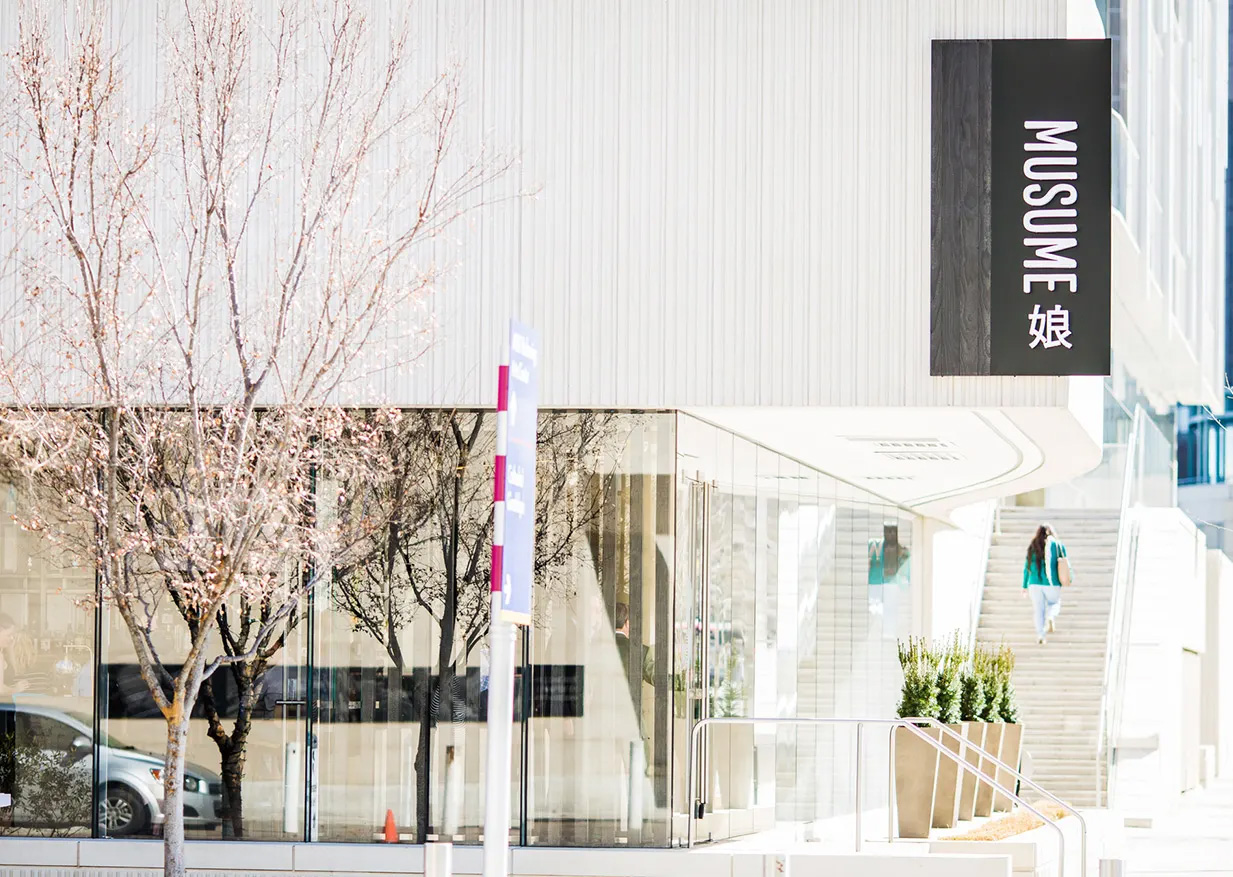
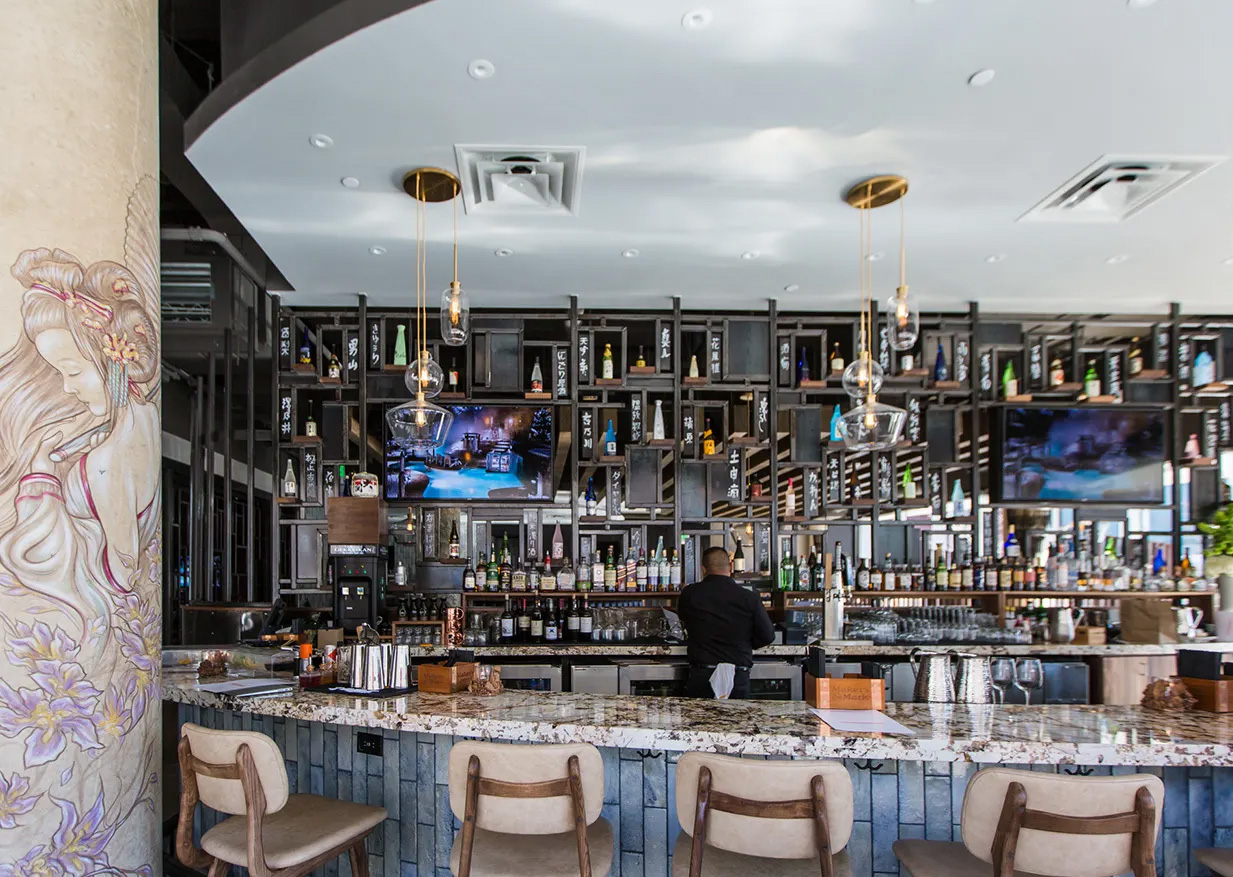
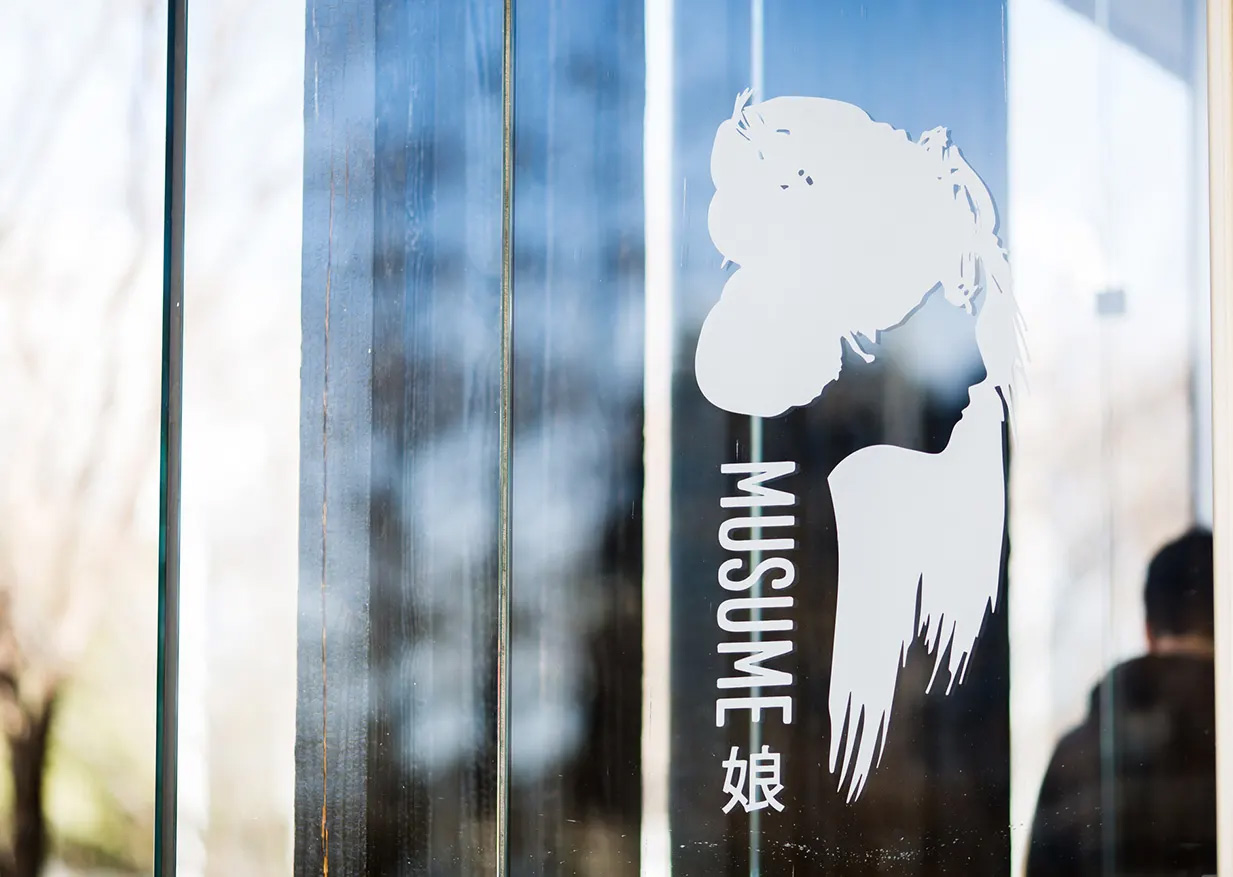
Musume exterior signageMusume bar interior
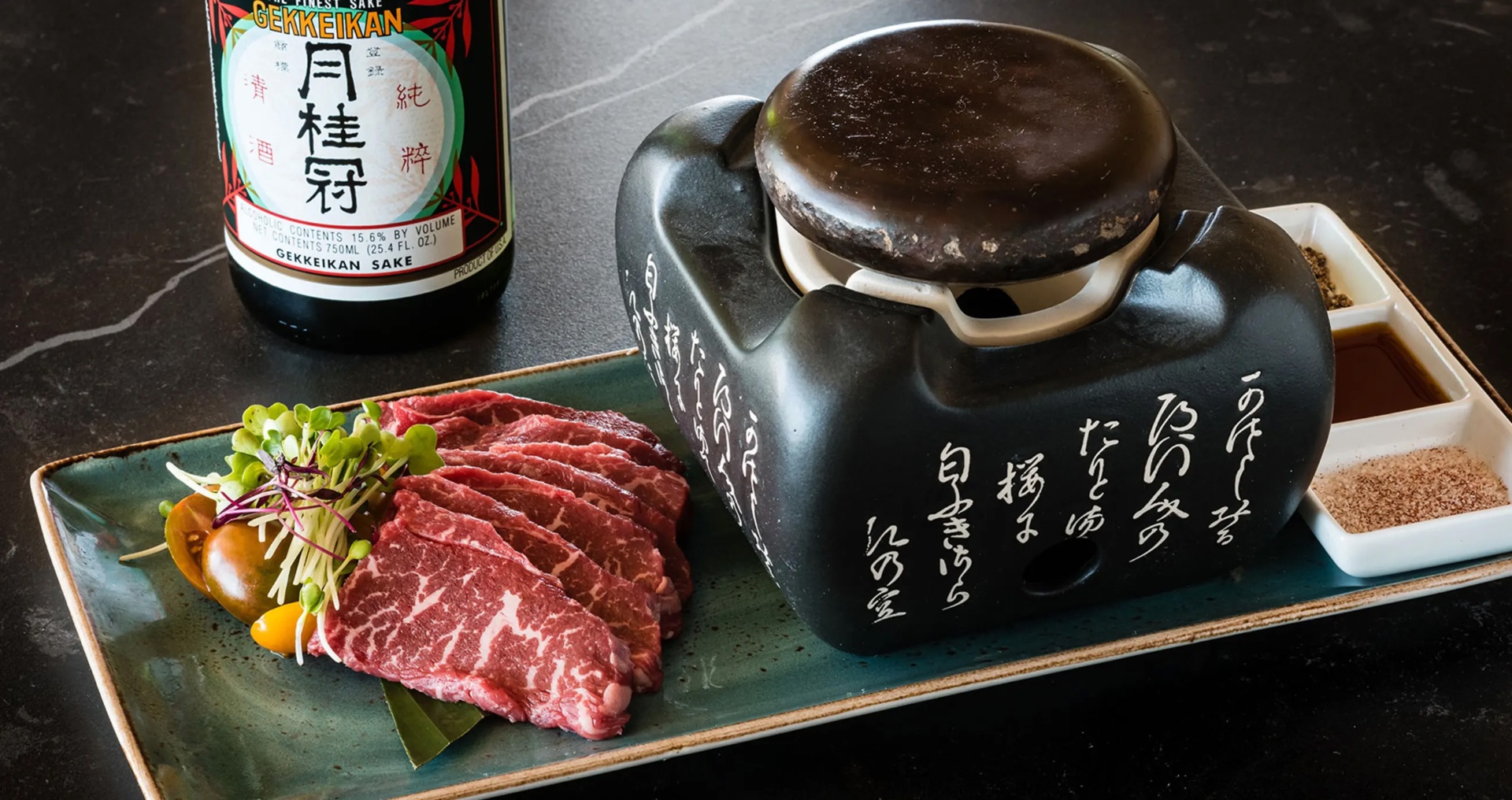
Musume signature dish with sake
05

Organizational Impact

Strong opening. Stronger growth curve.

34% reconversion rate through marketing automation Marketing automation drove a 34% reconversion rate — meaning more than one in three guests who experienced Musume were brought back through the email and marketing system. In the restaurant industry, where repeat visits are the difference between a trending opening and a sustainable business, this is a meaningful result. It reflects both the quality of the brand experience (guests wanted to return) and the effectiveness of the marketing infrastructure built to bring them back.

22% monthly increase in online reservations Online reservations grew 22% month-over-month following launch — a compounding growth curve driven by the combination of brand awareness, word of mouth, and the marketing systems built to capture and convert interest into bookings. In a competitive Dallas restaurant market where most openings peak at launch and fade, sustained month-over-month reservation growth signals that the brand was building momentum rather than spending it.

Zero to fully operational at launch The entire brand system — identity, environmental design, website, marketing automation, and social presence — was built from a name and a sample board and delivered ready to operate on opening day. No phased rollout. No "we'll fix it after launch." The restaurant opened with a complete, coherent brand experience across every touchpoint a guest would encounter.

Multi-vendor creative direction Coordinated creative across the ownership group, architecture and interior design teams, and multiple production vendors simultaneously — ensuring that a project built by many hands arrived as a single, coherent experience. The brand story served as the unifying creative framework that kept every vendor working toward the same vision.

A brand with staying power In a category where most new openings are defined by their first few weeks, the combination of a distinctive narrative identity, a coherent visual system, and a functioning growth marketing engine gave Musume the foundation to build a sustainable restaurant — not just a successful opening. The 34% reconversion rate is the clearest proof: the brand didn't just attract guests — it gave them a reason to come back.