Curtis Hale
05

Dallas Arboretum

01

Business Context

World-class institution. Ambitious expansion.

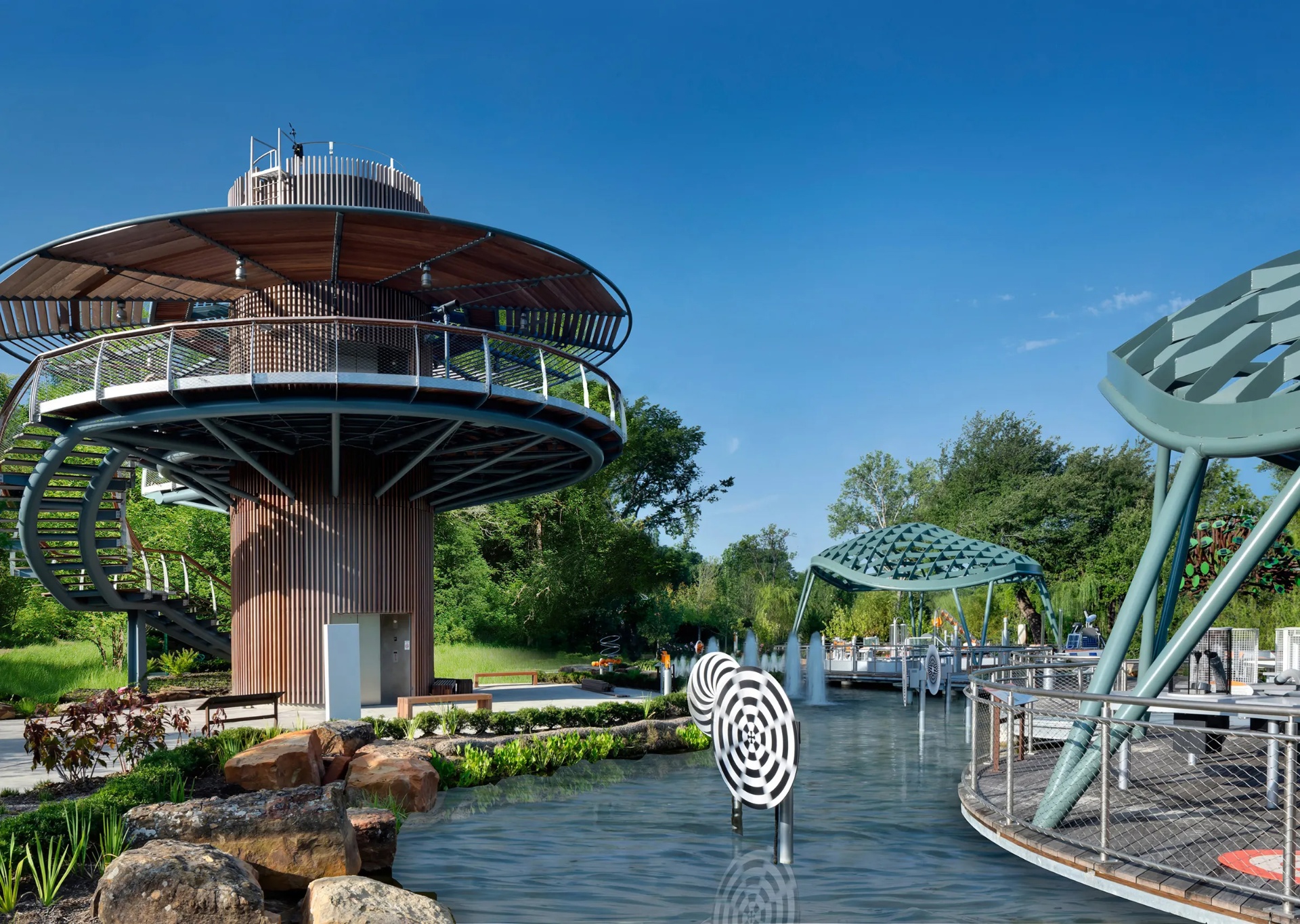
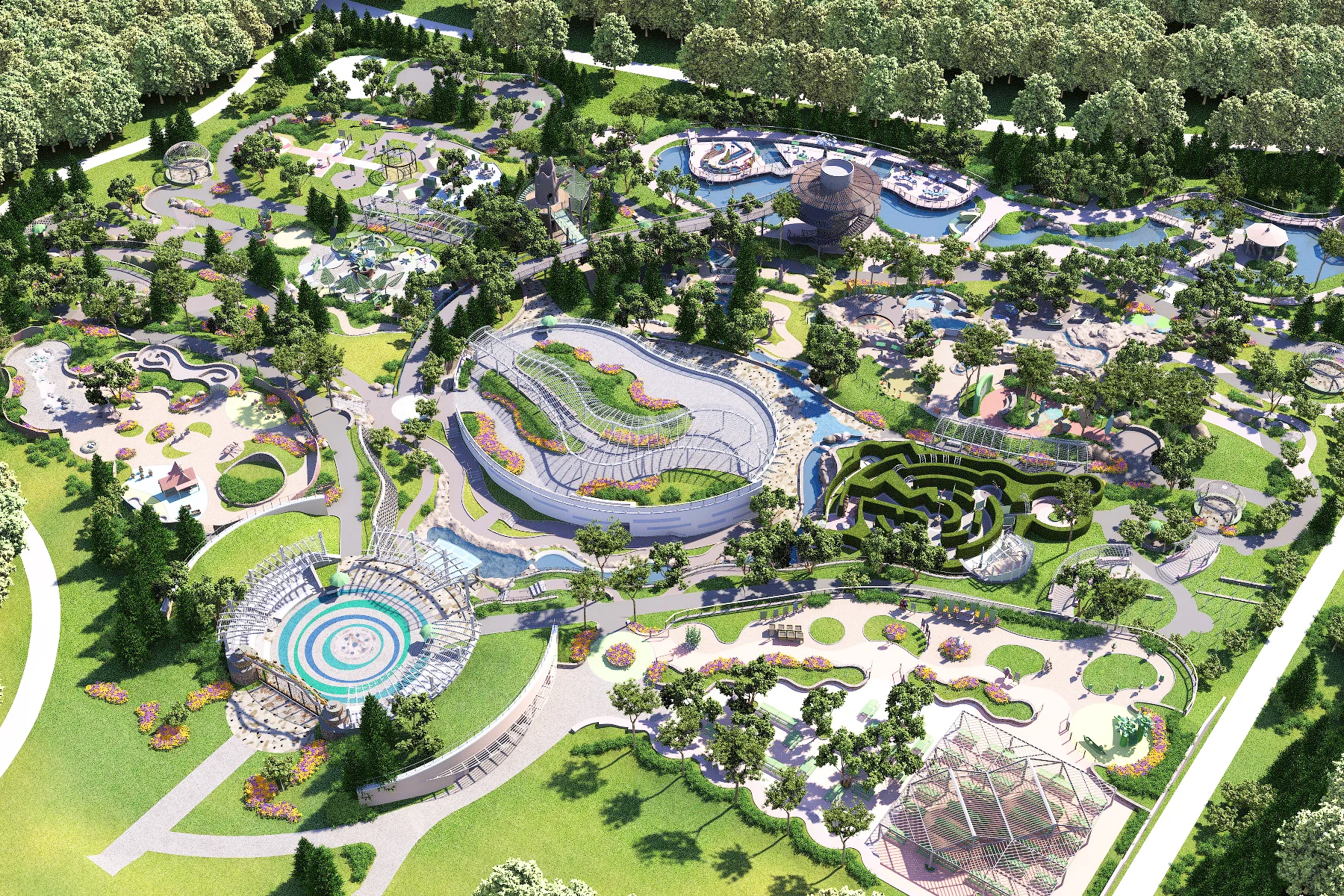
The Dallas Arboretum and Botanical Garden is among the most celebrated botanical gardens in the world, drawing more than 1.2 million visitors annually to its 66-acre grounds on the shores of White Rock Lake. That visitor volume, combined with ambitious long-term growth plans, created a clear strategic need: a digital and physical presence worthy of the institution's reputation and scale.

The relationship began with a full website redesign — rebuilding the Arboretum's digital front door to match its standing as a world-class destination. That engagement led directly to a far larger and more complex challenge: the launch of the Rory Meyers Children's Adventure Garden. More than ten years after launch, it remains one of the park's defining attractions — the clearest evidence that the system was built to last, not just to open.

**Stage**

Established cultural institution entering a major expansion phase — new physical infrastructure, new audience segment (families with young children), new category of visitor experience.

**Market Position**

Flagship Dallas cultural destination competing for family leisure time alongside museums, theme parks, and entertainment venues. The Children's Adventure Garden was designed to be a differentiating anchor attraction.

**Scope of Complexity**

17 indoor and outdoor galleries, 120 custom touchscreen installations, 23 distinct content categories, multiple production disciplines, and a timeline measured in months rather than years.
Dallas Arboretum
120
Outdoor touchscreen displays
980
Interactive educational games
1.2 M
Visitors each year
02

The Alignment Problem

A once-in-a-generation installation with no playbook.

The Rory Meyers Children's Adventure Garden was not an incremental project. It was a flagship attraction that would define how a new generation of visitors — children — experienced and remembered the Dallas Arboretum. The stakes were high, the timeline was aggressive, and the creative and logistical challenges were unlike anything a conventional web or branding engagement would produce.

The alignment problems were multi-dimensional:

No existing model to follow — designing interactive educational content for 120 outdoor touchscreens embedded in custom-fabricated physical housings is not a standard creative brief. Every decision required building a new framework from scratch.

Three separate production disciplines — screen UI design, physical housing design, and content development (writing, illustration, game logic) had to move simultaneously and stay coherent across 120 individual installations

A uniquely constrained user — the audience was children, often very young, in an outdoor environment, without instruction, encountering the screens for the first time. The design had to work instantly, without friction, for users who could not read a tutorial

Long-term operability — the Arboretum needed to manage and update content across 120 screens independently, without calling an agency for every change. Building for launch was only half the problem; building for the next decade was the other half

A compressed timeline — concept to installation in a matter of months, across a production scope that would typically take years

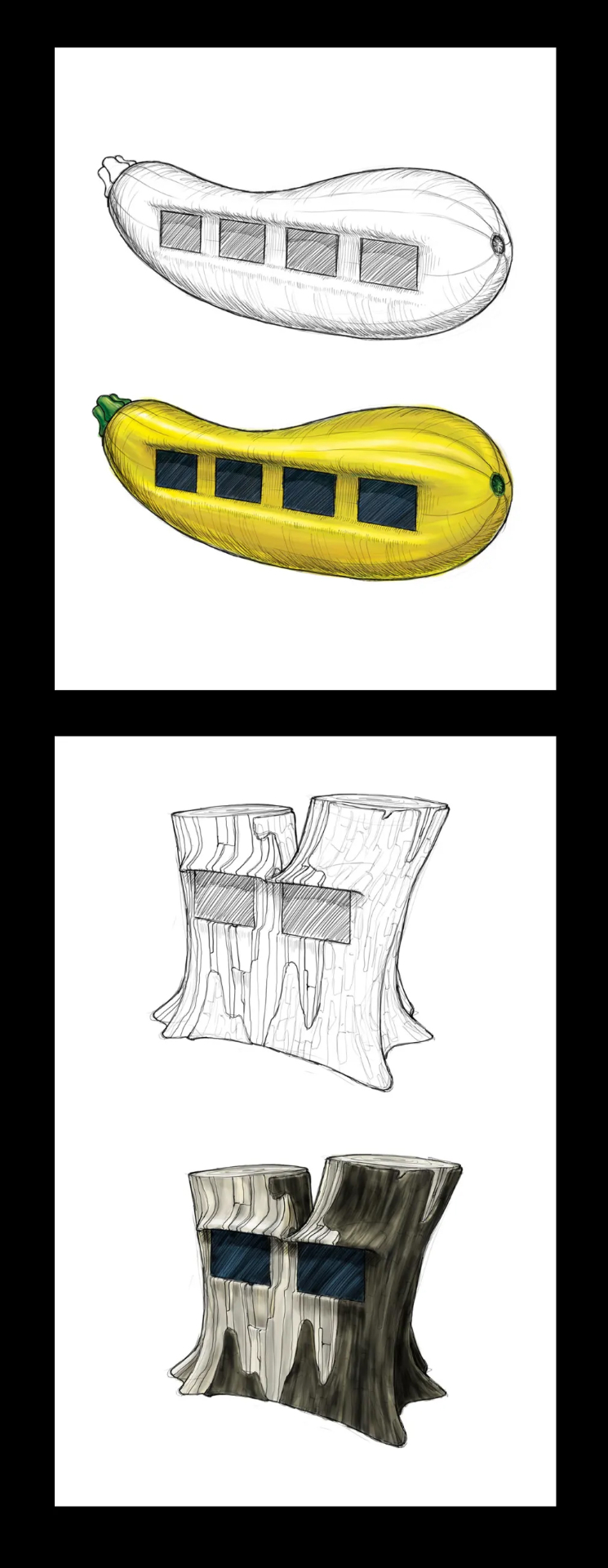
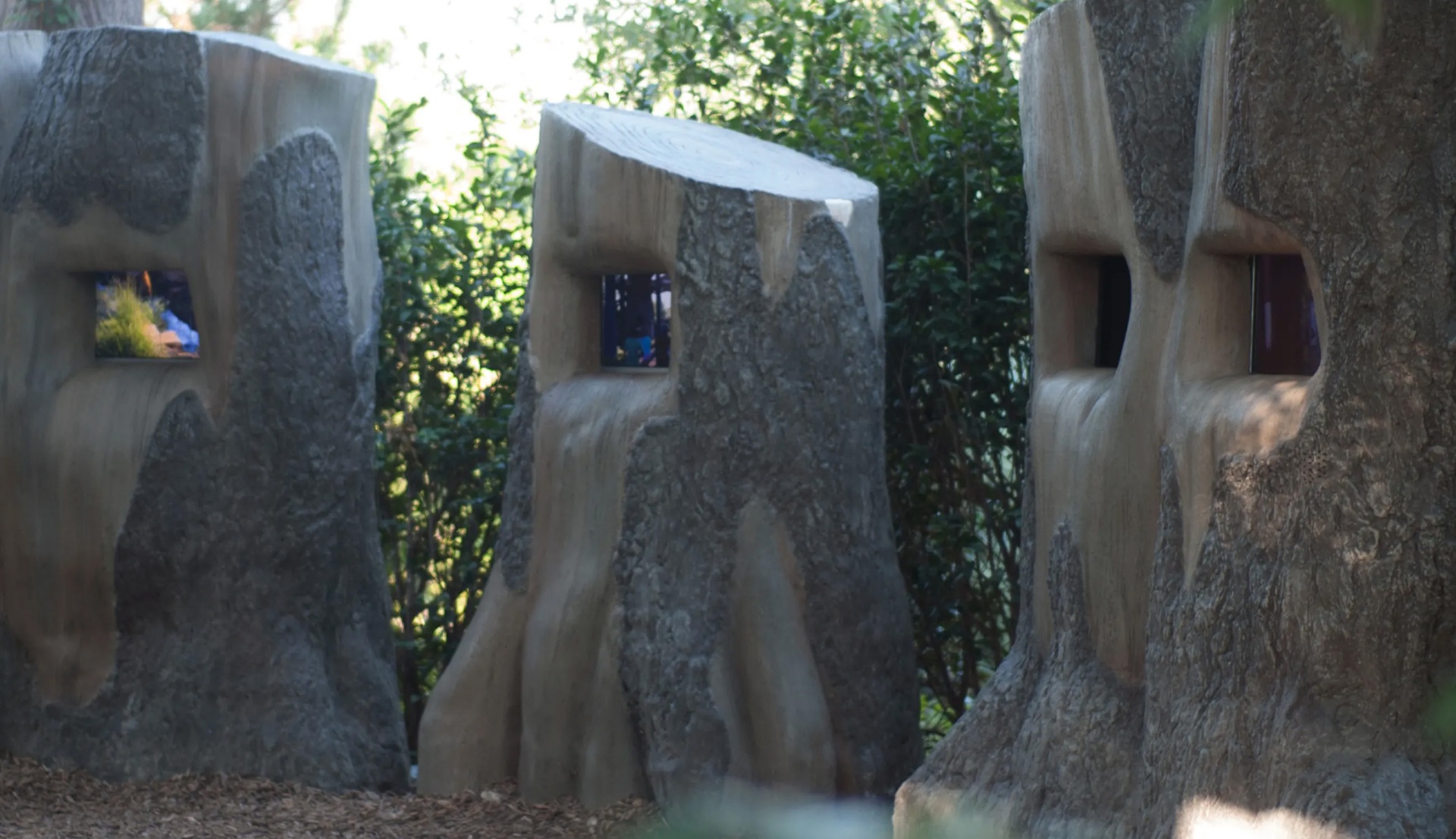
Tree-stump touchscreen housings installed in the Children's Adventure Garden
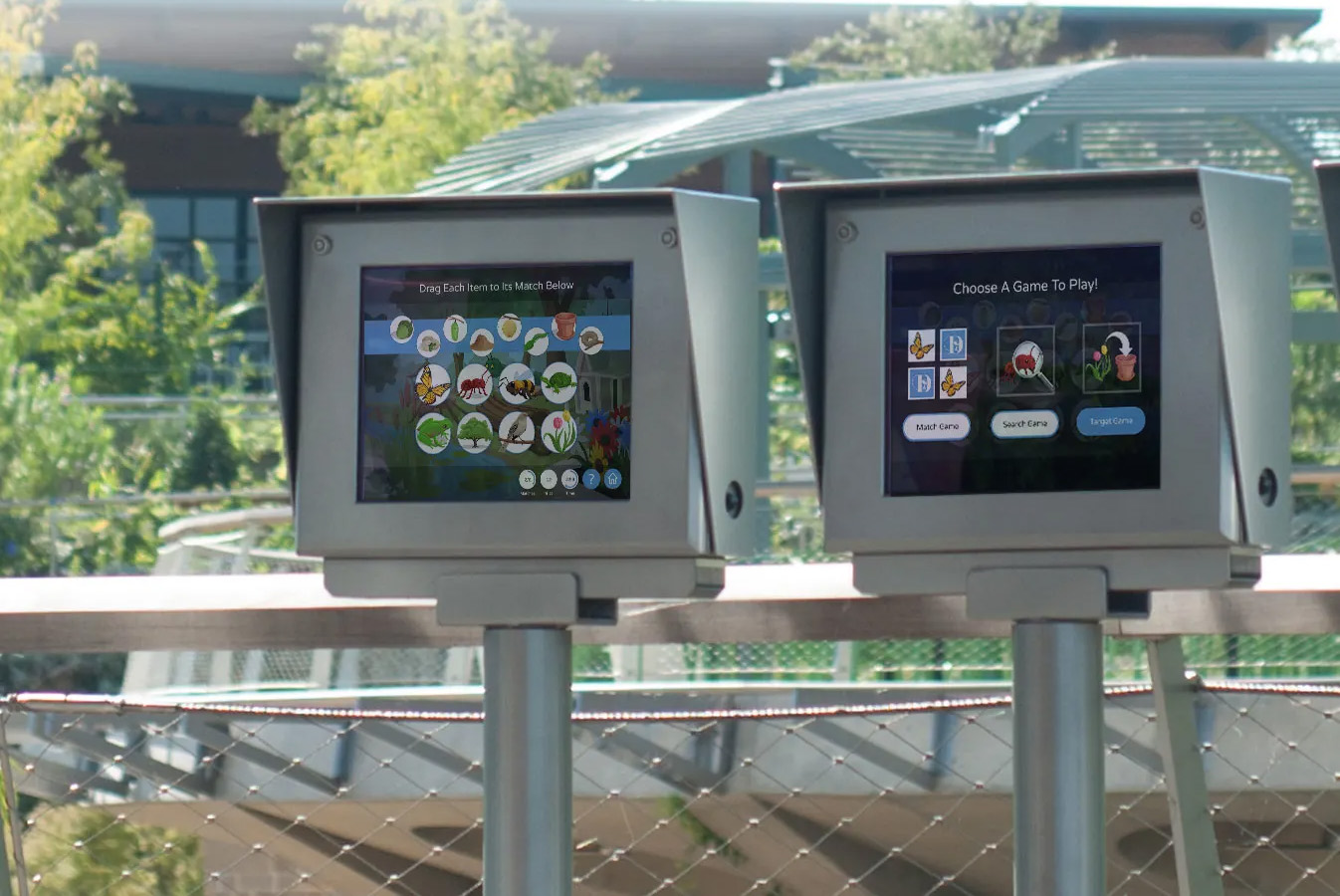
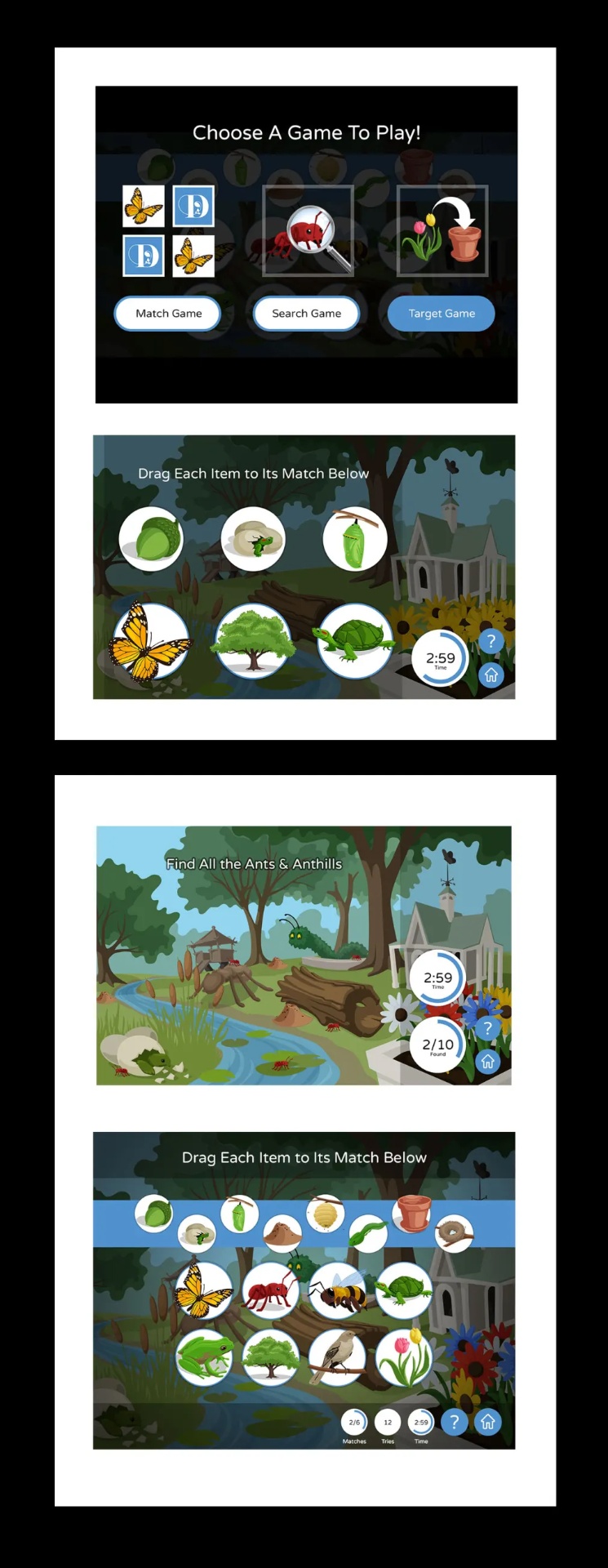
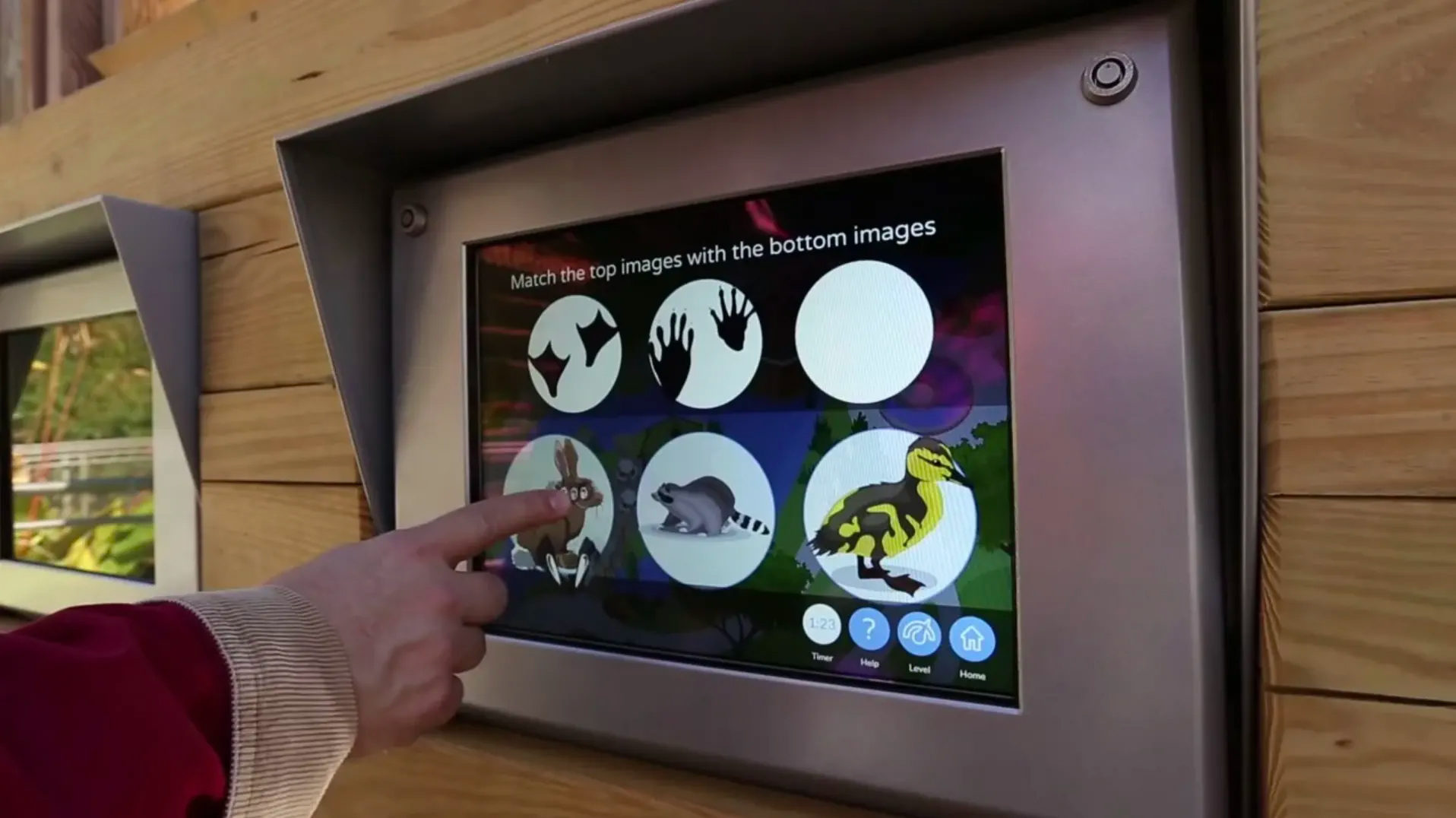
Interactive touchscreen game screens for the Children's Adventure GardenAnimated preview of a touchscreen game interaction
03

Strategic Framework

Design for a six-year-old who has never seen this before.

The strategic insight that governed every creative decision: these screens would be encountered by children without context, instruction, or adult guidance. There would be no onboarding. No help text. No second chance at a first impression. If a child walked up to a screen and couldn't figure out what to do in the first three seconds, the experience had failed.

That constraint — design for instant comprehension by a young child, outdoors, at a touchscreen embedded in a giant carrot — became the filter for every UX, visual, and content decision made across all 120 installations.

Game architecture strategy

Rather than designing 120 unique experiences, I established a modular game framework — a small set of core game types (matching, search, trivia) chosen specifically for their simplicity, their adaptability to different educational content, and their ability to be learned by a child without reading instructions. This was a scalability decision as much as a design decision: a replicable framework could be content-filled efficiently across the full scope of the project without sacrificing quality or coherence.

Physical-digital integration

One of the most unusual creative challenges was designing the touchscreen housings themselves — oversized carrots, squash, flowers, and tree stumps that would serve as the physical containers for the digital experiences. The design direction had to satisfy competing constraints: playful and visually striking enough to attract children, durable enough for outdoor installation, and structurally appropriate for mounting interactive screens. I led the creative direction for these installations and coordinated between the illustrators defining the visual language and the fabrication partners building the physical structures.

Infrastructure over installation

The most consequential long-term strategic decision was building a content management system — our proprietary platform, Governor — as the operational backbone of the entire installation. The goal was never just to ship 120 screens; it was to give the Arboretum the ability to manage, update, and refresh content across all 120 screens independently, indefinitely, without agency involvement. That reframe — from installation to infrastructure — changed the architecture of every component that sat on top of it.

Dallas Arboretum digitalDallas Arboretum print
04

Creative System

980 games. 120 screens. One coherent experience.

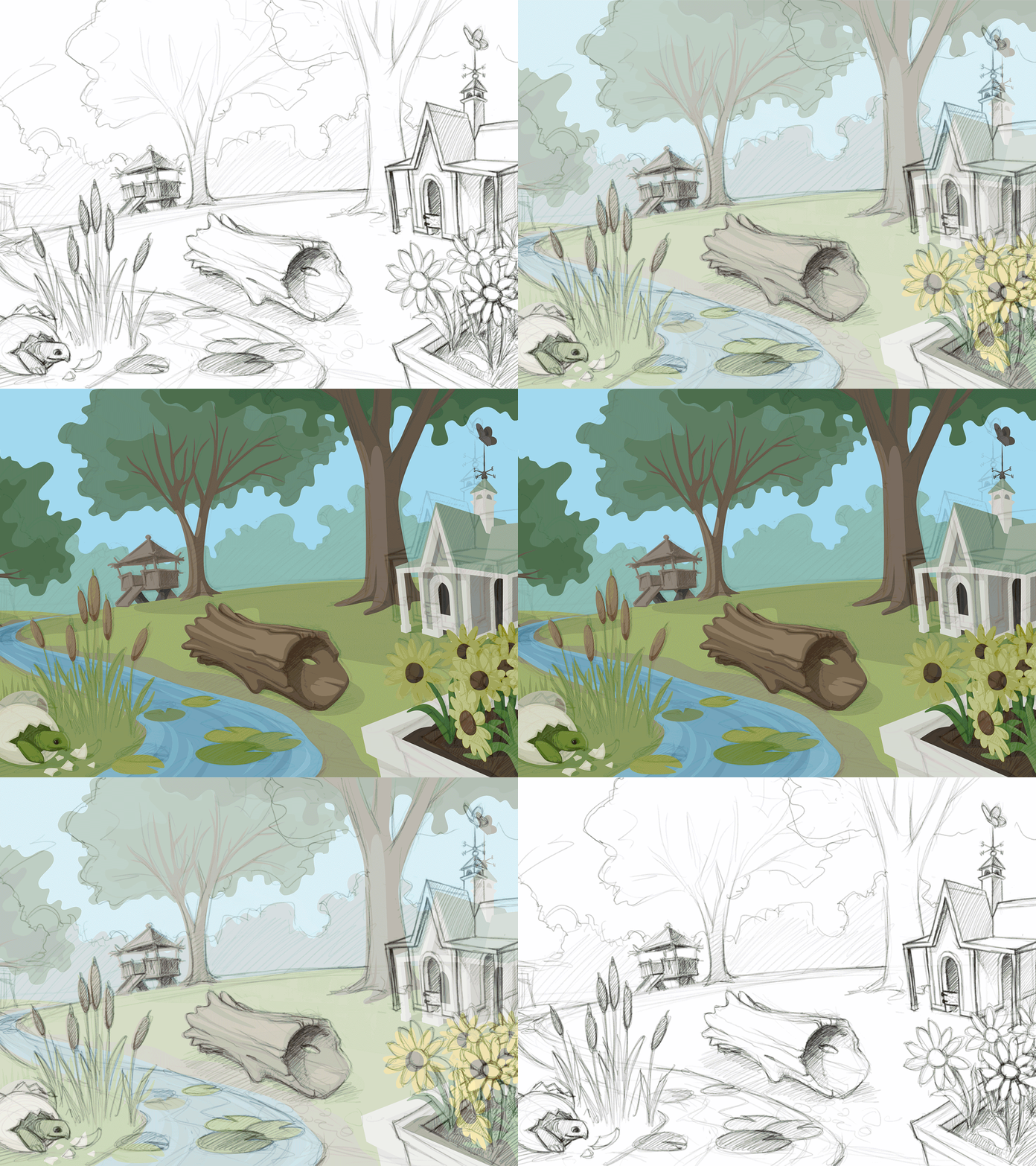
Interactive game design system Designed a complete library of interactive educational games across three core game types — matching, search, and trivia — adapted to content spanning all 17 galleries and 23 educational categories. Each game type was prototyped at wireframe stage, approved, and then scaled across the full content library: writing questions and instructions, commissioning and directing hundreds of original illustrations, and designing touchscreen interfaces that worked for young children without text-heavy instructions.

The total delivered: 980 individual interactive games across 120 screens — all within a unified design system that felt coherent whether a child encountered it in the first gallery or the last.

Physical installation design Directed the design of custom touchscreen housings — oversized vegetable and nature-themed structures that transformed functional technology into playful, inviting objects. These installations required creative direction across two separate production disciplines simultaneously: illustration and visual design (the look and character of the housings) and fabrication (the structural and material requirements for outdoor durability and screen integration). The final installations function as both environmental art and interactive technology.

Touchscreen UX design Designed intuitive touchscreen interfaces purpose-built for young users in an outdoor, unsupervised context — high contrast, large touch targets, illustration-led rather than text-led, with immediate feedback loops that rewarded interaction. Every interface decision was evaluated against a single test: can a child who has never seen this before figure out what to do in three seconds?

Governor CMS — content infrastructure Deployed our proprietary CMS platform, Governor, as the operational infrastructure for all 120 screens. Arboretum staff gained the ability to log in and update content on any screen independently — refreshing questions, swapping games, updating seasonal content — without requiring technical support or agency involvement. This system transformed a one-time installation into a living, maintainable educational platform designed to operate for years without rebuilding.

Child interacting with a touchscreen matching game in the Children's Adventure Garden
05

Organizational Impact

A flagship attraction, delivered on time, built to last.

Opened on time — at a scope that rarely does Concept to installation was completed in a matter of months — a compressed timeline for a production scope that would typically take years. That the launch didn't slip, given the number of parallel workstreams and production disciplines involved, is a direct result of building a creative framework that allowed illustration, game design, UX, content writing, and physical fabrication to run simultaneously without fragmenting.

10+ years in continuous operation — and counting The Rory Meyers Children's Adventure Garden has been in operation for over a decade, running against an annual visitor base of 1.2 million people. That longevity isn't incidental — it reflects decisions made at the architecture level: a modular game system that could be refreshed without rebuilding, a CMS that gave staff permanent independent control, and physical installations designed for durability at scale. Over ten years, the installation has generated an estimated 12+ million individual visitor engagements. It is now a signature feature of one of the top arboretums in the world.

980 games across 17 galleries The modular game framework delivered 980 individual interactive educational games — covering all 23 content categories across all 17 indoor and outdoor galleries — while maintaining a consistent, child-appropriate experience throughout. The framework architecture meant quality didn't degrade as production scaled.

Built for 1.2 million visitors a year The installation was designed to sustain daily engagement from the Arboretum's full annual visitor base — including the durability requirements of outdoor installation, the operational simplicity needed for non-technical staff to manage content updates, and the engagement quality needed to hold the attention of young children who would return season after season.

Long-term operability without agency dependency The Governor CMS gave the Arboretum permanent, independent control over all 120 screens from day one — removing ongoing agency dependency and ensuring the installation could evolve over time without a full rebuild. That infrastructure decision is a primary reason the installation is still running, still relevant, and still considered a signature feature more than ten years after it opened.

Multi-discipline production leadership Successfully directed a production process spanning UI design, illustration, game writing, physical fabrication, and software development — simultaneously, under a compressed timeline, for an installation that had no direct precedent to reference. The work required holding a coherent creative vision across disciplines that don't typically share a vocabulary, on a timeline that left no room for misalignment.